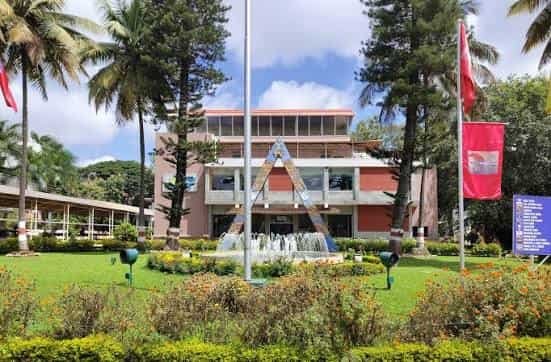
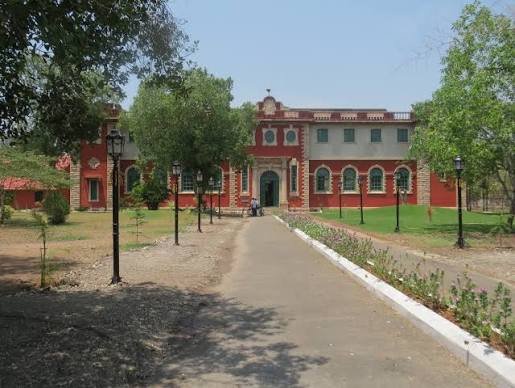
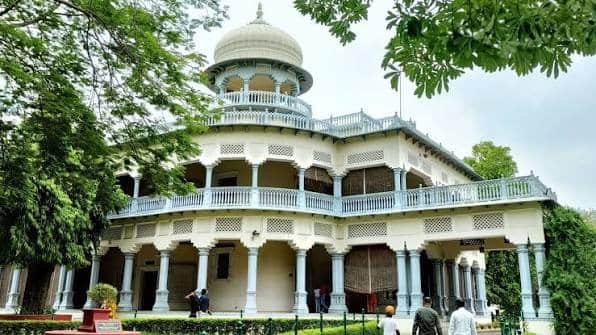
A stump from a teak tree estimated to be around 480 years old sits inside a two-storey museum in Nilambur — the world’s first museum dedicated entirely to teak wood. Established in 1995 by the Kerala Forest Research Institute (KFRI), the Nilambur Teak Museum stands close to Conolly’s Plot, the world’s oldest surviving teak plantation, planted back in 1846. Together, this pairing of museum and living plantation tells the story of Nilambur’s centuries-old identity as one of the world’s most significant teak-growing regions. If a visit is on your Kerala itinerary, here’s a complete guide to the Teak Museum’s timings, ticket price, entry fee, and location.
Quick Facts: Teak Museum Nilambur
| Detail | Information |
| Full Name | Nilambur Teak Museum & Bio-resources Nature Park |
| Distinction | World’s first museum dedicated to teak wood |
| Established | 21 May 1995 |
| Managed By | Kerala Forest Research Institute (KFRI) |
| Location | State Highway 28, Nilambur, Malappuram District, Kerala – 679330 |
| Building | Two-storey structure |
| Opening Hours | 10:00 AM to 4:30/5:00 PM |
| Weekly Off | Monday |
| Entry Fee (Adult) | ₹10–₹50 (varies across sources; older listings cite ₹10, newer ones ₹50) |
| Entry Fee (Children under 12) | ₹15 |
| Parking Fee | Approx. ₹10 (two-wheelers) |
| Nearby Attraction | Conolly’s Plot (world’s oldest teak plantation, 1846) |
| Distance from Nilambur Town | Approx. 3–4 km |
| Recommended Visit Duration | 1–3 hours |
The World’s Only Museum Built Entirely Around One Type of Tree
Nilambur’s connection to teak isn’t incidental — this region carries the historical distinction of hosting the world’s first teak plantation, and it remains one of the most significant teak-growing areas globally, having even earned a GI (Geographical Indication) tag for the unique strength, durability, and elegance of its wood. Given this legacy, it makes sense that the world’s first museum dedicated purely to teak would be built here, on the campus of the Kerala Forest Research Institute’s Nilambur sub-centre.
Since opening in 1995, the museum has functioned as far more than a simple wood display — it documents teak’s historical, scientific, and artistic significance, tracing everything from plantation techniques to the biodiversity that thrives alongside teak forests.
What You’ll See Inside
The museum’s collection blends genuine specimens with detailed educational content about teak cultivation and its surrounding ecosystem:
- A 480-year-old teak tree stump – One of the museum’s most striking centrepieces
- Teak trunks of varying thickness and age – Illustrating the tree’s growth patterns across decades and centuries
- A collection of over 300 butterflies, moths, and insects – Documenting the biodiversity connected to teak forest ecosystems
- Detailed information panels – Covering teak plantation methods, historical trade significance, and scientific classification
- Articles made from teak wood – Showcasing the practical and artistic uses of the timber
- Botanical gardens – Surrounding the museum building with diverse flora
- A dedicated butterfly park – Adding a lively, colourful outdoor element to the visit
Beyond the core museum, the surrounding compound includes a biodiversity park where visitors can spend additional time exploring orchids, butterflies, and other plant life, effectively extending a museum visit into a broader nature outing.
Nilambur Teak Museum Timings
The museum keeps a consistent six-day schedule:
- Open: Tuesday to Sunday, 10:00 AM to 4:30/5:00 PM
- Closed: Every Monday
- Best time to visit: Mornings and evenings tend to be more pleasant, and the museum can genuinely be visited comfortably throughout the year
Given the closing time varies slightly across sources (some cite 4:30 PM, others 5:00 PM), it’s worth arriving with enough buffer time before assuming a full hour remains before closing.
Entry Fee and Ticket Price
Reported pricing has shown considerable variation across sources and time periods:
- Adults: Reported anywhere between ₹10 and ₹50, depending on the source and year
- Children under 12 years: ₹15
- Parking: Approximately ₹10 for two-wheelers, with charges likely applying to four-wheelers as well
- Camera fee: An additional charge may apply for photography, per some listings
Given how much the reported entry fee has shifted over the years, from as low as ₹10 to as high as ₹50, it’s worth treating these figures as approximate and confirming the exact current rate at the museum counter on the day of your visit.
Location and How to Reach
The museum sits within the KFRI sub-centre campus, a short distance from Nilambur town.
- Address: State Highway 28, Nilambur, Malappuram District, Kerala 679330
- From Nilambur town: Approximately 3–4 km
- From Nilambur Railway Station: Approximately 3–5 km
- From Calicut International Airport: Approximately 36–48 km
- By road: Best reached by taxi, auto-rickshaw, or private vehicle
Given its proximity to Conolly’s Plot, most visitors combine both stops into a single trip, making the most of Nilambur’s teak heritage in one outing.
Tips for a Smoother Visit
- Combine your visit with nearby Conolly’s Plot, especially its hanging bridge over the Chaliyar River, for a fuller sense of Nilambur’s teak legacy
- Confirm the current entry fee at the counter, given the noticeable variation in reported pricing
- Visit in the morning or late afternoon for more pleasant weather
- Set aside 1–3 hours depending on whether you also want to explore the surrounding biodiversity park
- Carry small denomination cash for entry and parking fees
Frequently Asked Questions
Q1. Is Conolly’s Plot included in the same ticket as the Teak Museum, or is it a separate visit?
Conolly’s Plot is a separate attraction with its own entry point and, in some cases, its own fee structure, even though it’s closely linked to the museum’s teak heritage theme. It’s worth planning for two separate stops, though they’re close enough to combine easily in one trip.
Q2. Why do reported entry fees for the museum vary so much, from ₹10 to ₹50?
Pricing has evidently changed over the years, and many online listings reflect outdated information rather than the current rate. It’s best to confirm the exact current entry fee at the museum’s ticket counter rather than relying on any single online source.
Q3. Is the museum worth visiting if I’m not specifically interested in wood or forestry?
Yes, many visitors find the surrounding biodiversity park, with its butterflies and orchids, genuinely enjoyable even without a specific interest in teak or forestry. The museum’s blend of natural history and hands-on specimens tends to appeal to families and casual visitors as well as students and researchers.
Q4. How much time should I set aside if I want to see both the museum and the surrounding park?
Most visitors report spending anywhere from 1 to 3 hours covering both the museum exhibits and the surrounding biodiversity park with its butterfly section. If you’re combining this with a visit to Conolly’s Plot as well, it’s worth planning for a half-day outing.