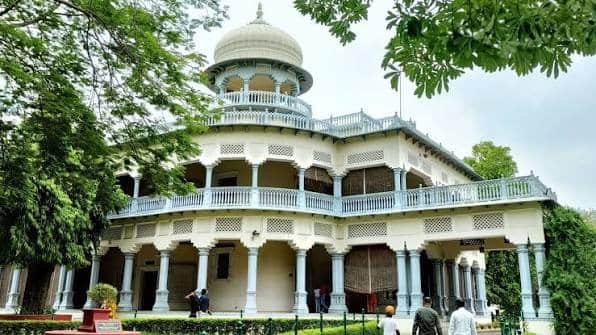
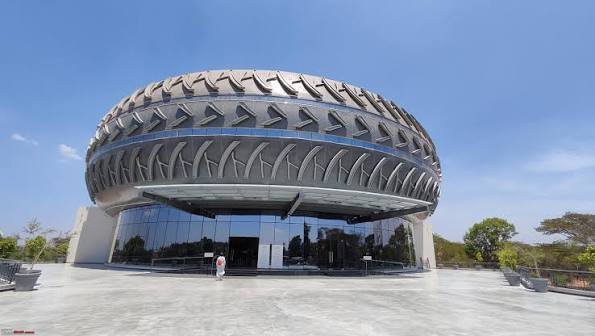
A three-tiered building shaped like a ship stands marooned on a traffic island in North Goa’s Torda village — not a shipwreck, but the Houses of Goa Museum, conceived in 1997 by architect Gerard da Cunha as a tribute to Goa’s maritime history and its distinctive Indo-Portuguese architecture. Built from locally sourced laterite (chira) stone, the museum takes visitors floor by floor through the evolution of Goan houses, blending Konkani and Portuguese design elements into one striking structure. If a visit is on your Goa itinerary, here’s a complete guide to the Houses of Goa Museum’s timings, ticket price, entry fee, and location.
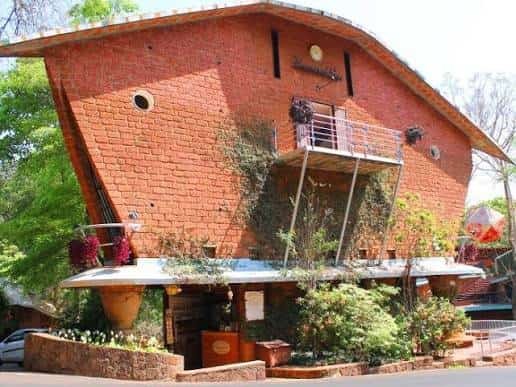
Quick Facts: Houses of Goa Museum
| Detail | Information |
| Full Name | Houses of Goa Museum |
| Conceptualised By | Architect Gerard da Cunha |
| Established | 1997 |
| Architectural Style | Ship-shaped structure built from laterite (chira) stone |
| Location | Torda, Salvador-do-Mundo, near Porvorim, North Goa |
| Opening Hours | 10:00 AM to 7:30 PM |
| Weekly Off | Monday |
| Entry Fee (Adult) | ₹100 (some sources cite ₹25–₹150, often including a café/shop voucher) |
| Entry Fee (Foreign Visitor) | Up to ₹350 |
| Entry Fee (Student) | ₹50 |
| On-site Shop | Mario Miranda memorabilia store |
| Distance from Panaji | Approx. 10–15 minutes’ drive |
| Distance from Mapusa Highway | Approx. 4–5 km |
| Recommended Visit Duration | 30–45 minutes |
A Museum Shaped Like the History It Tells
The Houses of Goa Museum isn’t housed in a converted colonial mansion or government building — its very structure is the exhibit’s opening statement. Architect Gerard da Cunha designed the building as a deliberate homage to Goa’s deep historical connection to the sea, giving it a triangular, ship-like form standing prominently on what feels like an island amid the surrounding traffic. The choice of laterite stone, a material abundant across Goa and long used in local construction, reinforces the museum’s focus on preserving authentic Goan building traditions rather than simply displaying artefacts behind glass.
Once inside, the museum unfolds across multiple floors, each revealing a different layer of Goan domestic architecture and cultural history through a mix of physical models, real building materials, photography, and interactive displays.
What You’ll See Inside
The museum’s collection focuses specifically on the architectural identity of Goan homes across different communities and eras:
- Architectural models of traditional Goan houses
- Genuine building materials, including ceramic tiles, door and window frames, and railings
- Furniture and home décor items reflecting Goan domestic life
- Photographs documenting the evolution of Goan residential architecture
- Exploration panels explaining the fusion of Konkani and Portuguese design influences
- Ornate doorways, graceful arches, intricate window grills, and decorative mirrors typical of colonial-era Goan homes
- Interactive computer displays adding a modern layer to the historical content
Beyond the exhibits, the museum also houses a small shop selling memorabilia related to the celebrated Goan cartoonist Mario Miranda, often included as part of the entry experience through a voucher system.
Houses of Goa Museum Timings
The museum keeps generous daily hours, staying open well into the evening:
- Open: Tuesday to Sunday, 10:00 AM to 7:30 PM
- Closed: Every Monday
- Best time to visit: November to February, when Goa’s weather is at its most pleasant for combining this with other sightseeing
Given how late the museum stays open compared to most heritage sites, it’s flexible enough to fit into either a morning sightseeing plan or a later afternoon stop on your Goa itinerary.
Entry Fee and Ticket Price
Pricing has been reported with some variation across sources, likely reflecting updates over time and different voucher structures:
- Indian adults: Commonly cited around ₹100, though some sources list figures as low as ₹25 or as a bundled ₹150 (which includes coupons redeemable at the café or Mario Gallery)
- Foreign visitors: Up to ₹350 per some listings
- Students: Around ₹50
- Children under 5: Often free
- Voucher system: Some entry tickets include partial value redeemable at the on-site café or gift shop
Given the inconsistency in reported pricing, it’s worth treating quoted figures as approximate and confirming the exact current rate at the counter when you arrive.
Location and How to Reach
The museum sits in Torda village within Salvador-do-Mundo, a short distance from Porvorim in North Goa.
- Address: Torda, Salvador-do-Mundo, near Porvorim, North Goa
- From Panaji: Approximately 10–15 minutes by road
- From Mapusa highway: Approximately 4–5 km, requiring careful navigation via GPS
- By road: Best reached by taxi, auto-rickshaw, or a rented scooter, since public bus access is limited
- Parking: Available near the neighbouring school, adjacent to the museum
Since the museum sits somewhat off the main highway, relying on Google Maps or a local driver familiar with the area tends to be more reliable than following general road signage.
Tips for a Smoother Visit
- Use Google Maps carefully when approaching, since the museum’s exact turn-off from the highway can be easy to miss
- Confirm the current entry fee at the counter, since online listings show noticeable variation
- Visit between November and February for the most comfortable weather
- Check out the Mario Miranda memorabilia shop, often included as part of your entry voucher
- Set aside about 30–45 minutes, longer if you have a strong interest in architecture
Frequently Asked Questions
Q1. Why do entry fee figures vary so much across different sources for this museum?
Reported pricing ranges from around ₹25 up to ₹150 depending on the listing, likely reflecting updates over time and varying voucher-inclusive packages. It’s best to confirm the exact current rate directly at the museum counter.
Q2. Is the museum worth visiting if I’m not particularly interested in architecture?
While it’s primarily geared toward architecture and history enthusiasts, the museum’s unique ship-shaped building and cultural exhibits make it an interesting stop even for casual visitors. Most people find the 30–45 minute visit a worthwhile addition to a North Goa itinerary.
Q3. Can I reach the museum by public transport, or do I need a private vehicle?
While local buses may pass nearby, it’s considerably more convenient to reach the museum by taxi, auto-rickshaw, or a rented scooter. Public transport access isn’t particularly direct for this specific location.
Q4. Is photography allowed inside the museum?
General personal photography is typically allowed, though it’s worth checking for any restrictions on flash photography or professional shoots at the entrance. The exterior of the ship-shaped building is often considered one of the best photo spots at the site.