Only one museum in India is older than the one standing on Pantheon Road in Chennai’s Egmore neighbourhood — the Government Museum, founded in 1851, trails just behind Kolkata’s Indian Museum as the country’s second-oldest institution of its kind. Spread across six colonial-era buildings and more than 40 galleries, it holds the largest collection of Roman antiquities found outside Europe and one of Asia’s richest troves of ancient bronze idols. For anyone planning a heritage trip through Chennai, here’s a complete breakdown of the Government Museum’s timings, ticket price, entry fee, and location.
Quick Facts: Government Museum Chennai
| Detail | Information |
| Also Known As | Egmore Museum, Madras Museum |
| Established | 1851 |
| Rank | Second oldest museum in India |
| Location | Pantheon Road, Egmore, Chennai, Tamil Nadu – 600008 |
| Architectural Style | Indo-Saracenic |
| Opening Hours | 9:30 AM to 5:00 PM |
| Weekly Off | Friday |
| Entry Fee (Indian Adult) | ₹15 |
| Entry Fee (Foreign Visitor) | ₹250 |
| Number of Buildings | 6 |
| Number of Galleries | 40+ |
| Notable Sections | National Art Gallery, Bronze Gallery, Children’s Museum, Museum Theatre |
| Recommended Visit Duration | 3–4 hours |
| Nearest Railway Station | Chennai Egmore, about 1 km |
| Nearest Metro Stations | Egmore and Government Estate |
| Nearest Airport | Chennai International Airport, approx. 16–18 km |
A Museum Older Than the Idea of a Museum in Most Indian Cities
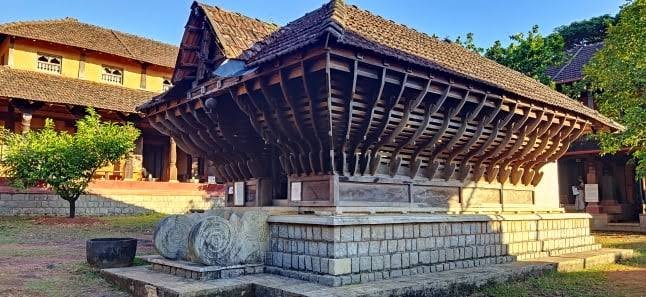
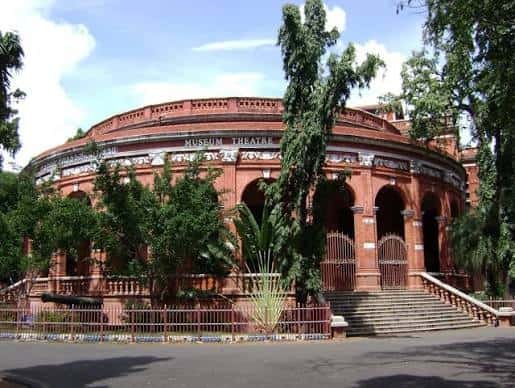
When the Madras Literary Society first proposed the idea in 1846, museums as public institutions were still a new concept across India. What eventually opened in Egmore grew steadily over more than a century and a half into what is now considered the largest museum complex in South Asia. The buildings themselves, many over a hundred years old, are worth pausing for — the Indo-Saracenic architecture and the domed Museum Theatre inside the complex are as much a part of the visit as the exhibits.
The scale of the collection is what tends to surprise first-time visitors. Highlights include:
- One of the richest collections of Chola-era bronze idols in the world, some dating back nearly 3,000 years
- The largest collection of Roman antiquities found outside Europe
- Original paintings by Raja Ravi Varma
- Extensive archaeology, numismatics, geology, botany, and anthropology sections
- A dedicated Children’s Museum within the same campus
- The National Art Gallery, housed in its own striking building on the grounds
How the Museum Complex Is Organised
Unlike single-building museums, the Government Museum campus is spread across six separate structures, each with its own focus. Getting a sense of this layout before you arrive helps you plan your visit rather than wandering aimlessly:
- Main Building – Archaeology, anthropology, and numismatics galleries
- Bronze Gallery – Chola and other South Indian dynasty-era bronze sculptures
- National Art Gallery – Paintings and decorative arts, including works by Raja Ravi Varma
- Museum Theatre – A heritage auditorium still used for events and lectures
- Children’s Museum – Interactive and simplified exhibits designed for younger visitors
- Natural History and Geology sections – Fossils, mineral specimens, and zoological displays
Given the spread, most visitors find that a single ticket easily justifies three to four hours, especially if you want to see the Bronze Gallery and National Art Gallery in the same trip.
Government Museum Chennai Timings
The museum follows a six-day schedule, closing one full day a week for maintenance:
- Open: Saturday to Thursday, 9:30 AM to 5:00 PM
- Closed: Every Friday
- Best time to visit: Weekday mornings, particularly right after opening, when the galleries are least crowded
- Ideal season: Cooler months between November and February make the campus more comfortable to walk through, since several buildings are connected by open pathways
Because the complex is large, arriving early gives you a real advantage — you can cover the major galleries before the midday heat and crowds build up.
Entry Fee and Ticket Price Details
Ticket pricing at the Government Museum remains one of the most affordable heritage experiences in Chennai:
- Indian visitors: ₹15 per person
- Foreign visitors: ₹250 per person
- Children: Concessional rates apply at the counter; carrying a valid school ID helps for student groups
- Payment: Tickets are generally sold at the counter; it’s advisable to carry cash, as digital payment options can be limited
- Camera or photography charges: Additional nominal fees may apply for photography inside certain galleries — check at the entrance counter on the day of your visit
Given the size of the complex, the entry fee covers access to all six buildings under one ticket, which makes it exceptional value compared to most single-monument attractions in the city.
Location and How to Reach
The museum’s Egmore address places it firmly within Chennai’s central heritage belt, making it easy to combine with other nearby sights.
- Address: Pantheon Road, Egmore, Chennai, Tamil Nadu 600008, beside Government Maternity Hospital
- By rail: Chennai Egmore Railway Station is about 1 km away; Chennai Central is roughly 4 km away
- By metro: Egmore and Government Estate metro stations are both close by and well connected to the rest of the city
- By road: Well served by city buses, autos, and app-based cabs from every part of Chennai
- By air: Chennai International Airport is approximately 16–18 km away
Its proximity to Egmore station in particular makes the museum an easy add-on if you’re already exploring the area or catching a train from that station.
Tips for a Smoother Visit
- Set aside at least half a day if you want to see the Bronze Gallery, National Art Gallery, and main archaeology sections without rushing
- Visit on a weekday to avoid the heavier weekend footfall
- Carry cash, since ticket counters may not accept digital payments
- Wear comfortable footwear — the campus involves walking between separate buildings, often in open outdoor stretches
- Check locally for any temporary gallery closures before visiting, since renovation work occasionally affects individual sections
Frequently Asked Questions
Q1. Is the Government Museum Chennai suitable for a half-day trip, or does it need a full day?
Given the six buildings and 40-plus galleries, most visitors need at least three to four hours to see the major sections properly. If you want to explore every gallery, including the Children’s Museum and National Art Gallery in detail, setting aside a full day works better than trying to rush through in one go.
Q2. Can I buy tickets online in advance, or do I need to queue at the counter?
Ticketing at the Government Museum is largely counter-based, and online booking isn’t consistently available the way it is at some newer attractions. It’s best to arrive with cash and plan for a short queue, especially on weekend mornings.
Q3. Are the bronze idols and antiquities original, or are they replicas?
The Chola-era bronzes and archaeological artefacts on display are largely original pieces sourced from temple sites and excavations across Tamil Nadu, not replicas. This is part of what makes the Bronze Gallery particularly significant for anyone interested in South Indian art history.
Q4. Is photography allowed inside the galleries, and are there extra charges for it?
Photography rules can vary by gallery, with some sections allowing smartphone photography freely and others charging a nominal camera fee or restricting it entirely, particularly around the more fragile bronze and manuscript collections. It’s worth checking with the counter staff when you buy your ticket so you’re not caught off guard inside a gallery.