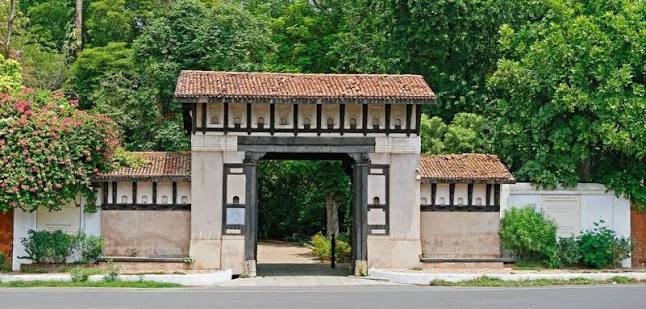
Over 35,000 handcrafted artefacts, a 300-year-old Kashmiri dushala, and an entire 5-acre village complex built from 15 traditional structures sourced from across India — all of this sits inside a single museum campus in Pragati Maidan, just a kilometre from India Gate. Established in 1956 under the vision of India’s first Prime Minister, Jawaharlal Nehru, the National Crafts Museum & Hastkala Academy exists to preserve and celebrate the country’s handicraft traditions, from Bhoota sculptures of Karnataka to Baluchari silk saris of Bengal. If it’s on your Delhi itinerary, here’s a complete guide to the museum’s timings, ticket price, entry fee, and location.
Quick Facts: National Crafts Museum & Hastkala Academy
| Detail | Information |
| Also Known As | National Handicrafts and Handlooms Museum |
| Established | 1956 |
| Managed By | Ministry of Textiles, Government of India |
| Location | Bhairon Marg, Pragati Maidan, New Delhi – 110001 |
| Opening Hours | 10:00 AM to 6:00 PM |
| Weekly Off | Monday, plus National Holidays |
| Entry Fee (Indian Visitors) | Free |
| Entry Fee (Foreign Visitors) | ₹300 per person |
| Number of Artefacts | 35,000+ |
| Village Complex Area | 5 acres, with 15 traditional structures |
| Distance from India Gate | Approx. 1 km |
| Nearest Metro Station | Supreme Court (Blue Line) |
| Recommended Visit Duration | 2–3 hours |
A Museum Built to Save Vanishing Crafts
The National Crafts Museum wasn’t set up simply to display artefacts — it was created by the All India Handicrafts Board specifically to protect crafts and craft traditions that were at genuine risk of disappearing. Nehru inaugurated the museum with a strong personal belief in preserving India’s artistic heritage, and that founding purpose still shapes how the museum operates today: it doesn’t just showcase finished pieces, it actively supports the artisans who continue to practise these traditions.
This mission is most visible in the museum’s craft demonstration area, where visitors can watch skilled artisans working live on metalwork, textiles, and other traditional crafts — turning a static museum visit into something closer to witnessing living heritage in progress.
What You’ll See Inside: Galleries and the Village Complex
The museum’s collection is organised across several themed galleries, alongside an outdoor village complex that recreates rural Indian architecture:
- Gallery of Folk and Tribal Arts – Traditional art forms from across India’s rural and tribal communities
- Gallery of Bhuta Sculpture – Home to the renowned Bhoota Collection from Karnataka
- Gallery of Cultic Crafts – Ritual and devotional craft objects
- Gallery of Textiles – Featuring rare pieces like 300-year-old Kashmiri dushalas and Baluchari silk saris
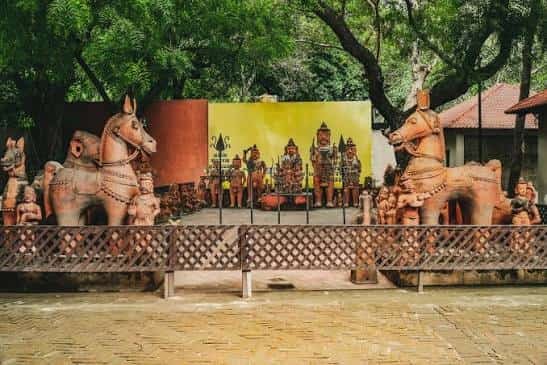
- Village Complex – A 5-acre outdoor section with 15 traditional structures representing regional architectural styles from different parts of the country
- Craft Demonstration Area – Live artisan demonstrations of metalwork, weaving, and other traditional techniques
Given the sheer range on display, most first-time visitors find that the village complex alone can take up a significant chunk of their visit, so it’s worth budgeting time accordingly rather than rushing through both the indoor galleries and outdoor complex in one go.
National Crafts Museum Timings
The museum keeps a consistent six-day schedule:
- Open: Tuesday to Sunday, 10:00 AM to 6:00 PM
- Closed: Every Monday, along with national holidays
- Best time to visit: Weekdays, to avoid the heavier weekend footfall that’s common given its central Delhi location
Since the museum sits so close to other major attractions like India Gate and Purana Qila, planning a weekday visit also makes it easier to combine multiple sights in a single day without dealing with peak crowds at each one.
Entry Fee and Ticket Price
Unlike most heritage museums, entry pricing here is refreshingly simple for domestic visitors:
- Indian nationals: Free entry
- Foreign visitors: ₹300 per person
- Payment: Since Indian entry is free, there’s typically no ticket counter transaction needed for domestic visitors beyond standard entry formalities
This makes the National Crafts Museum one of the more accessible major museums in Delhi for Indian families, students, and school groups, with no cost barrier to walking through galleries that most private museums would charge a premium for.
Location and How to Reach
The museum’s Pragati Maidan address places it right in the middle of Delhi’s most visited heritage corridor.
- Address: Bhairon Marg, Pragati Maidan, New Delhi, Delhi 110001
- By metro: Supreme Court metro station (Blue Line) is the nearest stop, a short walk from the entrance
- By road: Well connected by DTC buses (routes including 403, 419, 423, and 429) and auto-rickshaws from Pragati Maidan
- From New Delhi Railway Station: Approximately 20–25 minutes by taxi
- From Indira Gandhi International Airport: Approximately 30 minutes by taxi
- Nearby landmarks: Roughly 1 km from India Gate, a short walk from Delhi Zoo, and adjacent to Purana Qila
Given its walking distance from several other major Delhi attractions, this museum pairs naturally with an India Gate or Purana Qila visit on the same day.
Tips for a Smoother Visit
- Visit on a weekday to avoid the busier weekend crowds typical of this central Delhi location
- Set aside at least 2–3 hours if you want to properly explore both the indoor galleries and the outdoor village complex
- Don’t skip the craft demonstration area — watching artisans work live is one of the most memorable parts of the visit
- Check for current exhibitions or workshops before visiting, since the museum periodically hosts special events
- Combine the visit with nearby India Gate or Purana Qila to make the most of the central location
Frequently Asked Questions
Q1. Is the museum genuinely free for all Indian visitors, or are there hidden charges for certain sections?
Entry is free for Indian nationals across the main galleries, though certain special exhibitions or workshops may occasionally carry separate charges. It’s worth checking current listings if you’re visiting during a specific event.
Q2. How much time should I set aside if I want to see both the galleries and the village complex?
Most visitors need at least 2–3 hours to comfortably cover both sections without rushing. If you’re particularly interested in textiles or tribal art, allow extra time for those specific galleries.
Q3. Is this museum suitable for a school group or educational visit?
Yes, it’s a popular choice for school and educational visits, particularly given the free entry for Indians and the live craft demonstrations that make traditional techniques easy to understand for younger visitors.
Q4. Can I buy any of the crafts on display, or is it purely a museum experience?
The museum itself is a display and preservation space rather than a retail outlet, but many Delhi crafts markets and government emporiums nearby sell similar traditional handicrafts if you’re looking to purchase authentic pieces after your visit.