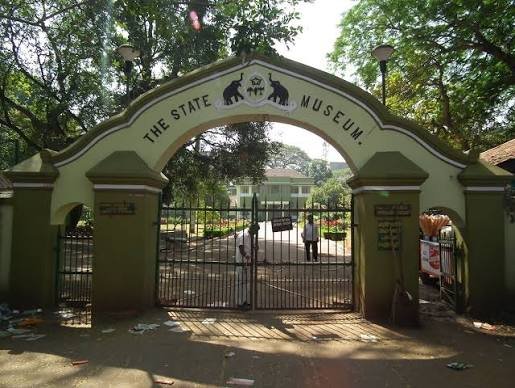
In February 2026, one of India’s oldest zoological parks quietly changed shape — the animals that once drew crowds to Thrissur Zoo’s Chembukavu site were relocated to the newly built Puthur Zoological Park, India’s first designer zoo, leaving the original 1885-era campus to continue as a heritage museum site. Thrissur Zoo & Museum, established under the Kingdom of Cochin and among the oldest zoological institutions in the country, now functions primarily around its Natural History Museum and Art Museum, both still open to the public in the city centre. If you’re planning a visit, here’s a complete guide to the Thrissur Zoo & Museum’s timings, ticket price, entry fee, and location.
Quick Facts: Thrissur Zoo & Museum
| Detail | Information |
| Formerly Known As | Trichur Zoo |
| Established | 1885, under the Kingdom of Cochin |
| Location | Chembukavu, Thrissur, Kerala |
| Area | Approx. 13.5 acres |
| Major Update (2026) | Animal exhibits relocated to Puthur Zoological Park (public entry from 28 Feb 2026); Chembukavu site continues as heritage museum |
| Opening Hours | 9:00 AM to 5:15 PM |
| Weekly Off | Monday |
| Entry Fee (Adult) | Approx. ₹20 |
| Entry Fee (Child, 5–12 years) | Approx. ₹5 |
| Family Ticket (2 adults + 2 children under 12) | Approx. ₹40 |
| Camera Fee | Approx. ₹25 |
| Handheld Video Camera Fee | Approx. ₹150 |
| Distance from Thrissur Town Hall | Walking distance |
| Distance from Swaraj Round | Approx. 1.5 km |
| Recommended Visit Duration | 1–2 hours |
From a 19th-Century Royal Zoo to a Modern Museum Site
Thrissur Zoo’s origins trace back to 1885, when the area was part of the Kingdom of Cochin under Rama Varma XV. For well over a century, it stood as one of the oldest zoological parks in India, drawing generations of visitors to see everything from tigers and lions to pink flamingos on a compact 13.5-acre campus in the heart of the city.
That changed with the 2026 shift to Puthur Zoological Park, a much larger 306-acre facility designed with input from internationally recognised zoo designer Jon Coe. With the animal collection now housed there, the original Chembukavu site has transitioned into more of a heritage and cultural destination, built around its two long-standing institutions:
- Natural History Museum – Established in 1964, focused on zoological, palaeontological, and ornithological displays
- Art Museum – Showcasing wood carvings, metal sculptures, Kathakali figures, and traditional Kerala artefacts
What You’ll See at the Museum Today
Even without the live animal exhibits, the Chembukavu site retains a genuinely rich collection worth visiting for:
- The mounted skeleton of an elephant named Chengalloor Ranganathan
- Wood carvings and metal sculptures reflecting Kerala’s artistic traditions
- Kathakali figures and traditional performance-related artefacts
- Ancient jewellery and traditional Kerala oil lamps
- Weaponry and dress styles associated with the Cochin Maharajas
- Stuffed animals, animal skeletons, and rock specimens
- A botanical garden featuring a variety of medicinal plants and trees
For visitors specifically interested in seeing the animals, Puthur Zoological Park is now the destination, while Chembukavu remains the place to go for the museum collection and historical grounds.
Thrissur Zoo & Museum Timings
The site runs a consistent daily schedule with one weekly closure:
- Open: Tuesday to Sunday, 9:00 AM to 5:15 PM
- Closed: Every Monday
- Best time to visit: Mornings or late afternoons, both for cooler weather and a quieter experience
- Best season: October to February, when Kerala’s weather is more comfortable for walking through the outdoor sections
Since some listings still reference the older combined zoo-and-museum experience, it’s worth confirming locally which exhibits are currently active at Chembukavu versus what’s now exclusively at Puthur.
Entry Fee and Ticket Price
Pricing remains genuinely affordable, structured by age group and equipment:
- Adults (above 12 years): Approximately ₹20
- Children (5–12 years): Approximately ₹5
- Family ticket (2 adults with 2 children under 12): Approximately ₹40
- Group ticket (35 students + 2 teachers, government-recognised schools): Approximately ₹150
- Camera fee: Approximately ₹25
- Handheld video camera fee: Approximately ₹150
Given the recent transition following the relocation, it’s advisable to confirm current pricing locally or with a recent visitor before your trip, since ticket structures often get revised alongside major facility changes like this one.
Location and How to Reach
The museum sits centrally in Thrissur city, making it one of the easiest heritage stops to reach without needing to travel far.
- Address: Chembukavu, Thrissur, Kerala
- From Thrissur Town Hall: Walking distance
- From Swaraj Round: Approximately 1.5 km
- From Thrissur city centre/bus stand: Approximately 2–2.7 km
- By road: Well connected by autos, cabs, and local buses; no metro connectivity currently exists in Thrissur
- Nearby landmark: Vadakkunnathan Temple, one of Kerala’s oldest temples, is a short distance away
Its central location makes it easy to combine with other Thrissur city attractions, including Vadakkunnathan Temple, in the same outing.
Tips for a Smoother Visit
- Confirm current exhibits before visiting, since the animal collection has moved to Puthur Zoological Park as of 2026
- Visit in the morning or late afternoon to avoid the midday heat
- Combine your trip with Vadakkunnathan Temple, given the short walking distance
- Carry small denomination cash for tickets and camera fees
- If you specifically want to see live animals, plan a separate visit to Puthur Zoological Park rather than expecting them at Chembukavu
Frequently Asked Questions
Q1. Are the animals still at the Chembukavu site, or do I need to go elsewhere to see them?
The animal exhibits were relocated to the new Puthur Zoological Park, with public entry starting February 28, 2026. The original Chembukavu site now functions mainly as a museum and heritage location.
Q2. Is the museum still worth visiting if I’m mainly interested in wildlife?
If wildlife is your main interest, Puthur Zoological Park is now the place to visit, but the Chembukavu museum remains worthwhile for its Natural History and Art Museum collections. Many visitors combine both if time allows.
Q3. Can I combine this visit with other Thrissur attractions in the same day?
Yes, its central location makes it easy to pair with Vadakkunnathan Temple, which is just a short distance away. Most visitors comfortably combine both in a half-day city tour.
Q4. Is there parking available at the museum site?
Some visitor reports note that dedicated parking and pay-and-use washrooms have historically been limited at this site. It’s worth checking current facilities locally, especially given the ongoing transition following the zoo’s relocation.