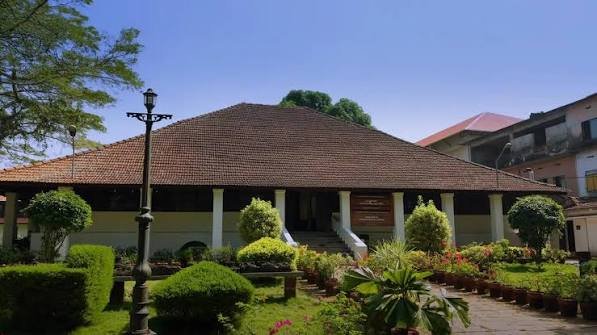
A 200-year-old colonial bungalow, originally built in 1812 to house British officials on Kozhikode’s East Hill, was renamed in 1980 to honour Kerala Varma Pazhassi Raja, the legendary “Lion of Kerala” who fiercely resisted British colonisation. The Pazhassiraja Archaeological Museum, established in 1976 and managed by the Kerala State Archaeology Department, now displays artefacts spanning roughly 1000 BC to 200 AD, from megalithic burial monuments to ancient bronzes and umbrella stones marking the graves of tribal rulers. If a visit is on your Kozhikode itinerary, here’s a complete guide to the Pazhassiraja Archaeological Museum’s timings, ticket price, entry fee, and location.
Quick Facts: Pazhassiraja Archaeological Museum
| Detail | Information |
| Also Known As | Pazhassi Raja Museum & Art Gallery |
| Building Constructed | 1812 (originally East Hill Bungalow) |
| Renamed to Honour Pazhassi Raja | 1980 |
| Converted to Museum | 1976 |
| Managed By | Kerala State Archaeology Department |
| Location | Kendriya Vidyalaya Road, East Hill, Kozhikode, Kerala – 673005 |
| Collection Period | Approx. 1000 BC to 200 AD |
| Visiting Hours | 9:00 AM to 5:00 PM |
| Ticket Counter Hours | 9:00 AM to 4:30 PM |
| Weekly Off | Monday, plus national holidays |
| Entry Fee (Adult) | ₹25 |
| Entry Fee (Child) | ₹5 |
| Mobile Phone Camera Fee | ₹15 |
| Still Camera Fee | ₹60 |
| Video Camera Fee | ₹520 |
| Parking (Four-wheeler/Two-wheeler) | ₹20 / ₹10 |
| Distance from Kozhikode Town | Approx. 5 km |
| Recommended Visit Duration | 1–2 hours |
Named After a Warrior Who Resisted British Rule
The museum’s name carries genuine historical weight. Pazhassi Raja, formally Kerala Varma of the Padinjare Kovilakom branch of the Kottayam Royal Family, led a determined resistance against British colonisation in the Malabar region during the late 18th century, earning him the enduring title “Lion of Kerala.” The building that now bears his name has an ironic history of its own — it was originally constructed in 1812 as the East Hill Bungalow, serving as a residence for the very British officials whose rule Pazhassi Raja had fought against.
Following India’s independence, the building was repurposed in 1976 into an archaeological museum, and in 1980 it was formally renamed to honour Pazhassi Raja’s legacy. The Kerala government has since invested significantly in renovating the historic structure, spending around ₹76 lakh with further improvements planned, ensuring the 200-year-old Kerala-style architecture remains preserved alongside the artefacts it houses.
What You’ll See Inside
The museum’s collection spans an extraordinary time range, from Kerala’s megalithic period through to more recent centuries:
- Megalithic monuments – Including umbrella stones (tombstones of ancient tribal rulers) and dolmenoid cysts, quadrangular burial chambers with capstones
- Ancient bronzes – Panchaloha figurines reflecting Kerala’s metalworking traditions
- Ancient coins – Numismatic pieces documenting historical trade and governance
- Stone figurines described as “war heroes” – A notable special collection within the museum
- Frescoes and murals – Artistic works reflecting Kerala’s traditional visual culture
- Models of temples – Illustrating regional architectural styles
- Parasol stones – Additional megalithic-era artefacts
- A 3D theatre – Adding a modern interactive dimension to the historical displays
- Insights into the origin of the Malayalam language – Alongside information on deities worshipped during earlier eras
Given the museum’s coverage of Kerala’s cultural evolution from megalithic times through the colonial era, it works particularly well for visitors genuinely interested in the region’s deep historical roots rather than a quick sightseeing stop.
Pazhassiraja Archaeological Museum Timings
Based on the museum’s official information from the Kerala State Archaeology Department, current hours are:
- Open: Tuesday to Sunday, 9:00 AM to 5:00 PM
- Ticket counter hours: 9:00 AM to 4:30 PM
- Closed: Every Monday, plus national holidays
- Best time to visit: Available throughout the year, though mornings tend to offer a quieter experience
Since the ticket counter closes half an hour before the museum itself, it’s best to arrive well before 4:30 PM to ensure you can still purchase entry.
Entry Fee and Ticket Price
Based on the official Kerala Archaeology Department pricing, current rates are:
- Adults: ₹25 per person
- Children: ₹5 per person
- Mobile phone camera fee: ₹15
- Still camera fee: ₹60
- Video camera fee: ₹520
- Parking (four-wheeler): ₹20
- Parking (two-wheeler): ₹10
Given some variation in older third-party listings citing lower figures like ₹10 or ₹20, it’s worth relying on the official Kerala Archaeology Department’s current pricing as the most accurate reference.
Location and How to Reach
The museum sits on East Hill, a well-known area of Kozhikode.
- Address: Kendriya Vidyalaya Road, East Hill, Kozhikode, Kerala 673005
- From Kozhikode town centre: Approximately 5 km
- By road: Easily reachable by auto-rickshaw, taxi, or private vehicle from anywhere in Kozhikode
- Nearby facility: Located close to Kendriya Vidyalaya, a useful landmark for navigation
Given its accessible East Hill location, the museum works well as either a standalone visit or part of a broader Kozhikode heritage circuit.
Tips for a Smoother Visit
- Arrive well before 4:30 PM to ensure the ticket counter is still open
- Budget separately for photography, since camera fees vary significantly by device type
- Decide your photography plans in advance, given the steep jump between mobile, still, and video camera charges
- Combine your visit with other East Hill or central Kozhikode attractions to make the most of your trip
- Visit on a weekday for a quieter, more relaxed experience through the historical galleries
Frequently Asked Questions
Q1. Why is the entry fee for video cameras so much higher than mobile phones or still cameras?
Video camera charges at ₹520 are considerably steeper than the ₹15 mobile phone fee or ₹60 still camera fee, following a common tiered pricing structure at Kerala Archaeology Department museums where video content is treated as a more commercial use case. If you’re only taking casual photos, sticking to your mobile phone keeps costs minimal.
Q2. Is the museum’s collection focused only on Pazhassi Raja himself, or broader Kerala history?
While the museum is named after Pazhassi Raja and honours his legacy of resistance against British rule, its actual collection spans a much broader sweep of Kerala’s history, from megalithic-era burial monuments through ancient bronzes and coins. It’s genuinely an archaeological museum covering centuries of regional heritage rather than a single-figure biographical exhibit.
Q3. Is the museum building itself worth seeing, separate from the artefacts inside?
Yes, the building is a notable heritage structure in its own right, originally constructed in 1812 in traditional Kerala architectural style and later renovated with significant government investment. Many visitors find the colonial-era bungalow architecture as interesting as the archaeological exhibits it houses.
Q4. How much time should I realistically set aside for a visit?
Most visitors spend between 1 and 3 hours here, depending on their interest level in the megalithic artefacts and historical context. Given the museum’s genuine depth covering nearly two millennia of history, allowing at least an hour ensures you can properly appreciate the key exhibits without rushing.