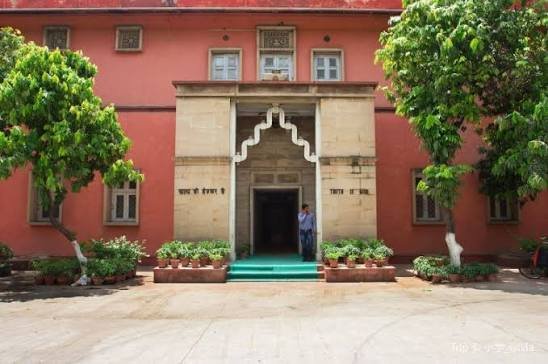
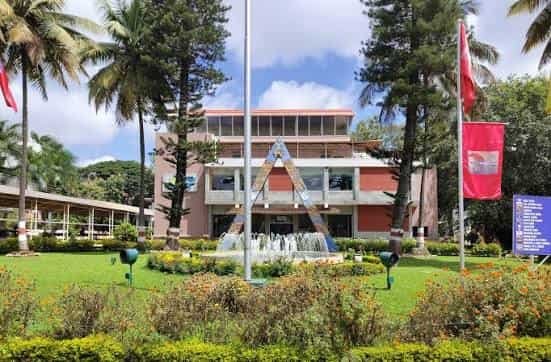
A coin dating back to the 6th century BCE, recovered from the ancient Indus Valley, sits inside a museum housed within the Reserve Bank of India’s own premises in South Mumbai’s Fort district. The RBI Monetary Museum, inaugurated in 2004 by then President A.P.J. Abdul Kalam, traces the complete evolution of money in India — from the earliest barter systems and cowrie shells through coins, paper currency, stock markets, and modern electronic transactions. If a visit is on your Mumbai itinerary, here’s a complete guide to the RBI Monetary Museum’s timings, ticket price, entry fee, and location.
Quick Facts: RBI Monetary Museum
| Detail | Information |
| Full Name | Reserve Bank of India Monetary Museum |
| Managed By | Reserve Bank of India (RBI) |
| Established | 2004 |
| Inaugurated By | Dr. A.P.J. Abdul Kalam, then President of India |
| Location | Amar Building, Ground Floor, Sir Phirozshah Mehta Road, Fort, Mumbai, Maharashtra – 400001 |
| Opening Hours | 10:30/10:45 AM to 5:00/5:15 PM |
| Weekly Off | Monday, plus bank holidays |
| Entry Fee | Free |
| Total Artefacts | 1,500–10,000+ (varies by listing) |
| Oldest Exhibit | Coins dating to 6th century BCE (Indus Valley) |
| Photography | Not allowed inside |
| Distance from CST | Approx. 1 km |
| Nearest Stations | Chhatrapati Shivaji Terminus, Churchgate |
| Recommended Visit Duration | 45 minutes to 2 hours |
India’s Only Museum Built by Its Own Central Bank
Unlike most heritage museums run by state governments or private collectors, the RBI Monetary Museum was set up directly by the Reserve Bank of India itself, as part of the central bank’s public education and outreach programme. The goal was straightforward: document and preserve India’s monetary heritage while encouraging genuine research into how money has evolved across the subcontinent, from ancient barter systems through to today’s digital transactions.
Located within Amar Building, adjoining the RBI’s main office in Mumbai’s historic Fort district, the museum’s setting adds a layer of authenticity rarely found elsewhere — you’re learning about India’s monetary history inside the very institution that now regulates it.
What You’ll See Inside
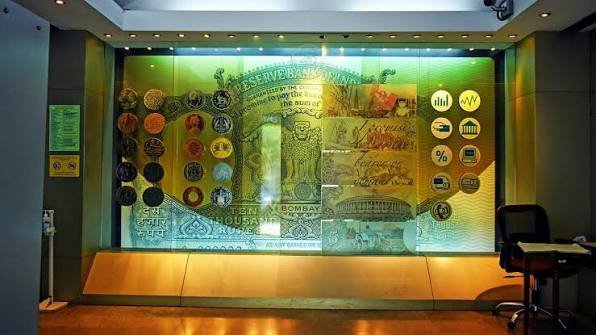
The museum’s collection charts the complete journey of currency and finance in India, told through both historical artefacts and modern interactive elements:
- Ancient coins – Dating back to the 6th century BCE, sourced from the Indus Valley, Kushana Empire, Gupta period, and British Raj
- Cowrie shells – Representing India’s earliest known form of currency, predating coinage
- Ancient paper currency – Including early banknotes from India, China, and Southeast Asia
- Financial instruments – Documenting the evolution of banking and trade tools over centuries
- Bilingual graphic panels – Explanatory displays in both English and Hindi, ensuring accessibility for a broad range of visitors
- Interactive foreign exchange screen – Displaying live updates on foreign trade, share prices, and commodities, giving visitors a real-time glimpse into global finance
- Educational kiosks – Including games designed specifically to help children understand the development of money in an engaging, hands-on way
- Souvenir shop – Selling coins, memorabilia, and collectibles connected to the museum’s numismatic theme
Given the blend of genuinely ancient artefacts and cutting-edge interactive displays, the museum appeals equally to serious numismatists, students, and casual visitors simply curious about how money has changed over millennia.
RBI Monetary Museum Timings
The museum follows a consistent weekly schedule:
- Open: Tuesday to Sunday, 10:30/10:45 AM to 5:00/5:15 PM
- Closed: Every Monday, plus bank holidays
- Best time to visit: Morning or early afternoon, given the museum’s relatively compact size and typically quieter weekday footfall
Since the museum operates on bank holiday closures in addition to Mondays, it’s worth checking the RBI’s official holiday calendar before planning your visit around a public holiday.
Entry Fee
The RBI Monetary Museum stands out as one of the most accessible cultural attractions in Mumbai, purely because of its pricing:
- Entry fee: Completely free for all visitors, Indian and foreign alike
- Group visits and guided tours: Require advance booking with the museum’s curator
- Photography: Not permitted inside the museum, so visitors should plan to simply observe and take in the exhibits without capturing them on camera
Given that entry costs nothing at all, this remains one of the best-value educational stops in South Mumbai, regardless of how much time you can spare.
Location and How to Reach
The museum sits within the RBI’s own premises in Mumbai’s historic Fort district, one of the city’s most heritage-dense areas.
- Address: Amar Building, Ground Floor, Sir Phirozshah Mehta Road, Fort, Mumbai, Maharashtra 400001
- From Chhatrapati Shivaji Terminus (CST): Approximately 1 km
- Nearest railway stations: CST and Churchgate, both well connected to the museum by a short walk or taxi
- By road: Well served by local trains, buses, and taxis given its central Fort location
Given its proximity to both CST and Churchgate, the museum is genuinely one of the easiest heritage attractions in Mumbai to reach without needing extensive travel planning.
Tips for a Smoother Visit
- Plan around the free guided tour by booking with the museum’s curator in advance, especially for group visits
- Leave your camera aside, since photography isn’t permitted inside
- Combine your visit with other nearby Fort-area attractions, given the museum’s central Mumbai location
- Visit on a weekday morning for a quieter, more relaxed experience in the compact exhibition space
- Set aside 45 minutes to 2 hours depending on your interest in numismatics and monetary history
Frequently Asked Questions
Q1. Is the museum genuinely free, including for guided tours?
Yes, entry to the RBI Monetary Museum is completely free for all visitors, and even guided tours don’t carry an additional charge, though group tours need to be booked in advance with the museum’s curator. It remains one of the very few zero-cost heritage attractions in South Mumbai.
Q2. Why is photography not allowed inside the museum?
Given the museum’s location within the Reserve Bank of India’s own premises, security protocols restrict photography inside the exhibition space. Visitors are still welcome to explore and read the detailed bilingual descriptions accompanying each display.
Q3. Is this museum suitable for children, or is it purely for finance enthusiasts?
It works well for children too, thanks to dedicated educational kiosks and games designed specifically to make the concept of money’s evolution engaging for younger visitors. Many families find it a worthwhile educational stop alongside more finance-focused adult visitors.
Q4. How much time should I realistically set aside, given the museum’s compact size?
Most visitors comfortably explore the museum in around 45 minutes to an hour, though those with a deeper interest in numismatics or monetary history sometimes spend closer to 2 hours. Given its small footprint compared to larger Mumbai museums, it works well as a shorter, focused visit rather than a full day out.