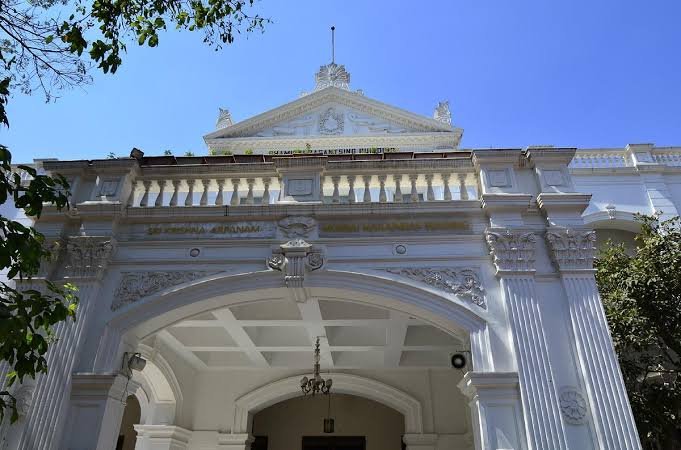
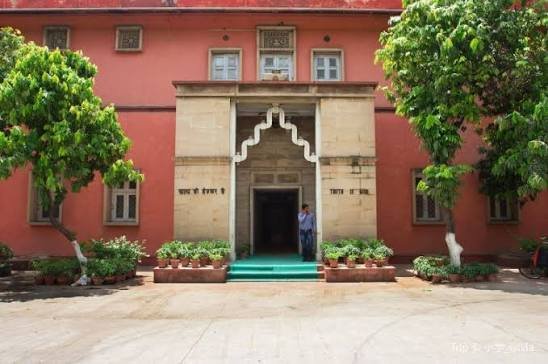
At exactly this spot on Tees January Marg, Mahatma Gandhi took his final steps on the evening of 30th January 1948, walking toward his customary prayer ground before being shot by Nathuram Godse — a moment that transformed a private colonial-era bungalow into one of India’s most solemn national memorials. Gandhi Smriti, built in 1928 as Birla House, was where Gandhi spent his last 144 days, and it now stands as a preserved museum documenting his life, philosophy, and final days. If a visit is on your Delhi itinerary, here’s a complete guide to the Gandhi Memorial Museum’s timings, ticket price, entry fee, and location.
Quick Facts: Gandhi Memorial Museum (Gandhi Smriti)
| Detail | Information |
| Full Name | Gandhi Smriti |
| Formerly Known As | Birla House / Birla Bhavan |
| Built | 1928, by Ghanshyam Das Birla |
| Gandhi’s Stay | 9 September 1947 – 30 January 1948 (144 days) |
| Assassination Date | 30 January 1948 |
| Acquired by Government | 1971, from K.K. Birla |
| Opened as Memorial | 15 August 1973 |
| Location | 5, Tees January Marg, New Delhi – 110001 |
| Opening Hours | 10:00 AM to 5:00/6:30 PM |
| Weekly Off | Monday, plus national holidays |
| Entry Fee | Free |
| Multi-media Show | Held between 1:00 PM to 1:30 PM |
| Distance from Connaught Place | Approx. 5 km |
| Nearest Metro | Lok Kalyan Marg (Race Course), Yellow Line |
| Recommended Visit Duration | 1–1.5 hours |
From a Private Bungalow to India’s Most Solemn Memorial
Gandhi Smriti’s story begins long before it became associated with Gandhi at all. Built in 1928 by industrialist Ghanshyam Das Birla, the house — originally known as Birla House or Birla Bhavan — was a 12-bedroom residence frequented by prominent dignitaries, including Sardar Patel, given the Birlas’ close relationships with India’s independence movement leaders.
Mahatma Gandhi’s connection to the house began during his final months, when he stayed there from 9 September 1947 until his assassination on 30 January 1948. After his death, Jawaharlal Nehru personally wrote to Ghanshyam Das Birla requesting that part of the house be converted into a memorial. The Birla family was initially reluctant to part with a home carrying such personal significance, but the Government of India eventually acquired the property from K.K. Birla in 1971, with negotiations reportedly detailed enough to even account for the fruit trees on the grounds. The house finally opened to the public as Gandhi Smriti on 15 August 1973.
What You’ll See Inside
The museum preserves both the physical spaces Gandhi occupied and a broader collection documenting his life and legacy:
- Gandhi’s room – The actual chamber where he lived during his final 144 days, preserved as it was
- The prayer ground – Where Gandhi was shot while heading to his evening prayers, now marked as the Martyrs’ Column
- Photographic collection – Documenting Gandhi’s life from infancy through to his final days
- Personal belongings – A curated selection of items connected to Gandhi’s daily life
- Terracotta dolls and dollhouses – Small-scale illustrations depicting scenes from Gandhi’s life
- Swastik Pillar – Standing outside the house, symbolising the shift in the symbol’s meaning through the 20th century, accompanied by the meditative sound of “Om”
- Multi-media exhibitions – Contemporary displays including film clips alongside the preserved historical rooms
Because the museum blends preserved original spaces with curated exhibits, many visitors describe the experience as genuinely moving rather than purely educational, particularly when standing at the exact spot of the assassination.
Gandhi Memorial Museum Timings
The museum keeps a consistent weekly schedule:
- Open: Tuesday to Sunday, 10:00 AM to 5:00 PM (some sources note extended hours to 6:30 PM)
- Closed: Every Monday, along with national holidays
- Multi-media show: Held between 1:00 PM and 1:30 PM
Since the multi-media show runs at a fixed midday slot, planning your visit around this window helps if you want to catch the full presentation alongside the physical exhibits.
Entry Fee
Unlike most major Delhi museums, Gandhi Smriti charges no entry fee at all:
- Entry fee: Free for all visitors, Indian and foreign alike
- Multi-media show: Included at no additional charge
Given the site’s deep historical and emotional significance, the absence of any entry fee makes it one of the most accessible heritage sites in the capital, regardless of visitor budget.
Location and How to Reach
Gandhi Smriti sits in a quiet, tree-lined part of central Delhi, close to several government and diplomatic buildings.
- Address: 5, Tees January Marg, New Delhi 110001
- By metro: Lok Kalyan Marg (Race Course) station on the Yellow Line, roughly 900 metres away; Khan Market station is also within a 20-minute walk
- By bus: Claridges Hotel and Krishna Menon Marg bus stops are close by, roughly a 6-minute walk
- By rail: Tilak Bridge is the nearest railway station, about a 19-minute walk
- From Connaught Place: Approximately 5 km
Given its central location, Gandhi Smriti is easy to combine with other nearby Delhi landmarks in the same day, without needing extensive travel time.
Tips for a Smoother Visit
- Time your visit around 1:00–1:30 PM if you want to catch the multi-media show
- Maintain a respectful, quiet demeanour throughout, given the site’s significance as the location of Gandhi’s assassination
- Visit on a weekday for a more contemplative, less crowded experience
- Combine your trip with nearby central Delhi landmarks, given the accessible location
- Wear comfortable footwear, as the visit involves walking through both the house and the outdoor prayer ground
Frequently Asked Questions
Q1. Is there really no entry fee, even for the multi-media show?
That’s correct — both the museum entry and the multi-media show are completely free of charge. This makes Gandhi Smriti one of the very few major Delhi heritage sites with no cost barrier at all.
Q2. Is the exact spot of Gandhi’s assassination accessible to visitors?
Yes, the prayer ground where Gandhi was shot has been preserved and is marked with a Martyrs’ Column, and visitors can walk to this location as part of their visit. Many find this to be the most emotionally significant part of the experience.
Q3. How is Gandhi Smriti different from other Gandhi-related memorials in Delhi, like Raj Ghat?
Gandhi Smriti is the actual house where Gandhi lived his final days and was assassinated, preserving his room and personal belongings, whereas Raj Ghat is the cremation site and memorial elsewhere in the city. Many visitors combine both as part of a broader Gandhi heritage circuit in Delhi.
Q4. Is the museum suitable for children, or is it more appropriate for adult visitors given its subject matter?
It’s generally suitable for children too, particularly given the terracotta dolls and dollhouse displays that illustrate Gandhi’s life in an accessible, visual way. That said, the subject matter around the assassination site is sombre, so it’s worth preparing younger visitors accordingly.