A 14.5-foot statue of Lord Cornwallis, flanked by a defeated Tipu Sultan and his two sons, dominates the entrance of a museum housed inside the very fort that gave birth to modern Chennai. Fort St George Museum sits within India’s first British settlement, established in the 17th century, and holds over 3,600 artefacts spanning nearly three centuries of colonial history — including the first Indian flag hoisted after independence. If a visit is on your Chennai itinerary, here’s a complete guide to the Fort St George Museum’s timings, ticket price, entry fee, and location.
Quick Facts: Fort St George Museum
| Detail | Information |
| Fort Established | 17th century (India’s first British settlement) |
| Museum Building Constructed | 1792 |
| Museum Organised | 1948, shortly after Indian independence |
| Managed By | Archaeological Survey of India / Tamil Nadu Government |
| Location | Rajaji Salai, Fort St George, Chennai, Tamil Nadu – 600009 |
| Fort Opening Hours | 9:00 AM to 5:00 PM |
| Weekly Off | Friday |
| Entry Fee (Indian Visitors) | ₹5–₹15 |
| Entry Fee (Foreign Visitors) | ₹200 |
| Entry Fee (Children up to 15 years) | Free |
| Number of Galleries | 10, across a three-storey building |
| Total Artefacts | 3,600+ |
| Distance from Chennai Central Railway Station | Approx. 2.6 km |
| Recommended Visit Duration | 30 minutes to 1 hour |
The Fort That Gave Birth to Modern Chennai
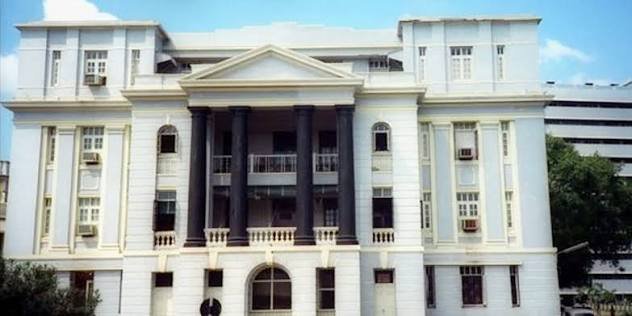
Fort St George’s story is inseparable from the story of Chennai itself. Built in the mid-17th century during an era of fierce trading competition between the French, Dutch, and British East India Companies, the fort became the first British settlement in India and the administrative seedbed from which the city eventually grew. The building that now houses the museum has its own layered history — it began as the Madras Bank in 1795, with its second floor once used for public meetings, lotteries, and entertainment for the British upper class.
After India’s independence, the building was repurposed in 1948 specifically to house relics from the British colonial period, transforming what was once a financial institution into a structured archive of South India’s colonial history.
What You’ll See Inside
Spread across three storeys and ten galleries, the museum’s collection covers an unusually wide range of colonial-era material:
- Armoury Section – Breastplates, helmets, cannon shots, rifles, swords, pistols, daggers, and mortars connected to the Madras army organised in 1752
- Portrait Gallery – Oil paintings of former Madras governors, British monarchs, and Nawabs of the Karnataka region
- Prints Section – 18th-century views of Fort St George, Mount St Thomas, Tanjore, and Tirunelveli
- Silverware and Porcelain – Table wares once used by British officers and Nawabs of Arcot
- The first Indian flag – Hoisted after the declaration of independence, viewable but not photographable
- A 14.5-foot statue of Lord Cornwallis – Depicted alongside Tipu Sultan, his two sons, and East India Company officials
- Original handwritten letters – Including correspondence by figures like Robert Clive and Lord Cornwallis
- Tipu Sultan’s cannons – Displayed along the fort’s ramparts
Beyond the museum itself, the fort complex also includes St Mary’s Church, often called the “Westminster Abbey of the East” and recognised as the oldest Anglican church in India, along with Wellesley House, a former banquet hall now displaying portraits of colonial-era officials.
Fort St George Museum Timings
The fort and museum follow a consistent weekly schedule:
- Open: Saturday to Thursday, 9:00 AM to 5:00 PM
- Closed: Every Friday
- Recommended visit length: 30 minutes to an hour for the museum alone, longer if you’re exploring the church and Wellesley House too
Given that the fort complex also houses active government administrative offices, visitors should expect a formal, security-conscious atmosphere with some restricted areas, unlike a purely tourist-focused museum.
Entry Fee and Ticket Price
Pricing has been reported with some variation across sources, but the general structure is:
- Indian visitors: Approximately ₹5–₹15
- Foreign visitors: ₹200
- Children up to 15 years: Free entry
- Photography of the first Indian flag: Not permitted, even though public viewing is allowed
Since exact pricing has shifted slightly across different listings over time, it’s worth treating quoted figures as approximate and confirming at the counter on the day of your visit.
Location and How to Reach
The fort sits centrally in Chennai, close to several other major landmarks, making it easy to combine with other city sightseeing.
- Address: Rajaji Salai, Fort St George, Chennai, Tamil Nadu 600009
- By rail: Chennai Central (Puratchi Thalaivar Dr. M.G. Ramachandran Central Railway Station) is approximately 2.6 km away
- By air: Chennai International Airport is approximately 19.6 km away
- By road: Well served by taxis and auto-rickshaws; the fort is somewhat difficult to reach on foot from surrounding areas
- Nearby attractions: Government Museum, Vivekananda House, and Madras High Court are all commonly paired with a Fort St George visit
Given the fort’s central location, most visitors combine it with a broader half-day Chennai heritage circuit rather than treating it as a standalone stop.
Tips for a Smoother Visit
- Carry a valid photo ID, since the fort includes active government administrative sections with security checks
- Avoid Fridays, when both the fort and museum remain closed
- Combine your visit with St Mary’s Church and Wellesley House, both within the same complex
- Don’t attempt to photograph the first Indian flag, since this is explicitly restricted even though viewing is allowed
- Set aside extra time if you also want to explore Government Museum or Vivekananda House nearby
Frequently Asked Questions
Q1. Can I visit the entire fort complex, or are some areas restricted to the public?
Only the museum, St Mary’s Church, and Wellesley House are open to the public, since the fort also houses Tamil Nadu’s administrative and legislative offices. Expect security checks and some visibly restricted zones during your visit.
Q2. Is photography allowed throughout the museum?
Photography is generally permitted in most galleries, but the first Indian flag on display is a notable exception — visitors can view it but are not allowed to photograph it. It’s best to check with staff if you’re unsure about specific exhibits.
Q3. How much time should I set aside if I want to see the museum, church, and Wellesley House together?
While the museum alone can be covered in 30 minutes to an hour, seeing all three sections of the fort complex comfortably takes closer to 1.5–2 hours. Plan accordingly if you want the complete Fort St George experience.
Q4. Is this a good stop to combine with other Chennai attractions on the same day?
Yes, its central location makes it easy to pair with Government Museum, Vivekananda House, and Madras High Court in the same outing. Most visitors build it into a broader half-day heritage tour of central Chennai.