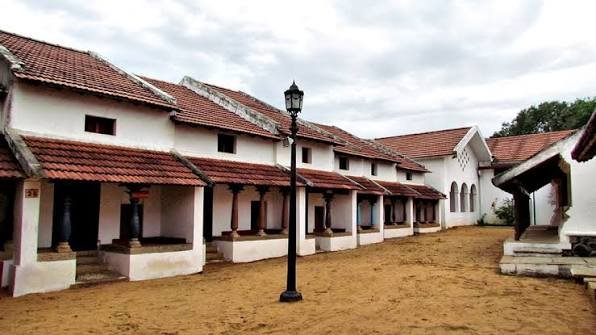
Eighteen authentic heritage houses, transported and rebuilt brick by brick from villages across Tamil Nadu, Kerala, Karnataka, and Andhra Pradesh, stand together inside a living-history village on Chennai’s East Coast Road — DakshinaChitra, founded in 1996 by the Madras Craft Foundation under Deborah Thiagarajan’s vision to preserve South India’s disappearing cultural heritage. Rather than displaying artefacts in glass cases, this 10-acre museum recreates entire traditional homes and village settings, complete with live demonstrations of pottery, basket weaving, and puppetry. If a visit is on your Chennai itinerary, here’s a complete guide to DakshinaChitra’s timings, ticket price, entry fee, and location.
Quick Facts: DakshinaChitra Museum Muthukadu
| Detail | Information |
| Established | 1996 |
| Founded By | Deborah Thiagarajan, Madras Craft Foundation (MCF) |
| Type | Living-history heritage village museum |
| Location | East Coast Road, Muthukadu, Chengalpattu District, Tamil Nadu – 603118 |
| Land Area | 10 acres, on 33-year lease from Tamil Nadu Government |
| Number of Heritage Houses | 18, from 4 South Indian states |
| Total Artefacts | 4,220+, plus over 1,000,000 photographs |
| Opening Hours | 10:00 AM to 6:00 PM |
| Weekly Off | Tuesday, plus Diwali |
| Entry Fee (Indian Adult) | ₹100–₹200 (varies by source; weekend/festival rates slightly higher) |
| Entry Fee (Indian Child, 5–15 yrs) | ₹30–₹100 |
| Entry Fee (Foreign Visitor) | ₹250–₹350 |
| Camera Fee | ₹50–₹150, depending on camera type |
| Recommended Visit Duration | 2–5 hours |
A Village Built to Preserve South India’s Vanishing Architecture
DakshinaChitra’s origins trace back to 1970, when Deborah Thiagarajan first visited Chennai (then Madras) and became determined to preserve the region’s traditional architecture and lifestyle before it disappeared entirely. That vision took formal shape when she founded the Madras Craft Foundation in 1984, and after securing a 10-acre plot on a 33-year lease from the Tamil Nadu government in July 1991, DakshinaChitra opened to the public in 1996.
What sets this museum apart is its “living history” approach — rather than static replicas, the 18 heritage houses represent genuine architectural styles from Tamil Nadu, Kerala, Karnataka, and Andhra Pradesh, many relocated from their original village settings and reconstructed here piece by piece, complete with period-accurate furnishings and everyday objects.
What You’ll See Inside
The museum’s collection blends architecture, craft demonstrations, and cultural programming across its village-style layout:
- 18 heritage houses – Representing distinct regional architectural styles from four South Indian states
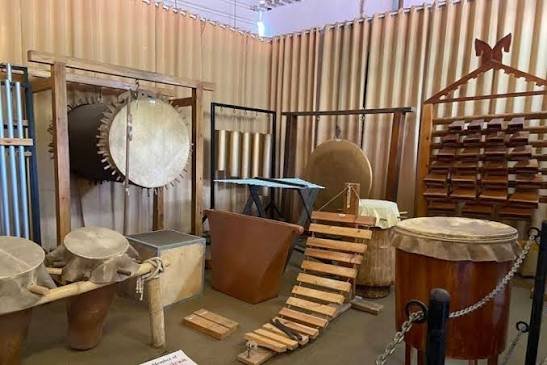
- Live craft demonstrations – Including pottery-making, basket weaving, and traditional puppetry shows
- 4,220+ artefacts – Everyday objects, tools, and decorative items reflecting South Indian domestic life
- Over 1,000,000 photographs – Documenting South India’s cultural and architectural heritage
- Cultural programmes and workshops – Regularly organised exhibitions and events promoting South Indian traditions
- Traditional performing arts showcases – Occasional performances connected to the region’s cultural practices
Given the depth of both the architectural displays and the live craft demonstrations, many visitors find that a rushed visit doesn’t do the museum justice — most recommend budgeting several hours to properly explore all 18 houses and catch any live demonstrations happening that day.
DakshinaChitra Museum Timings
The museum keeps a consistent six-day schedule:
- Open: Wednesday to Monday, 10:00 AM to 6:00 PM
- Closed: Every Tuesday, plus Diwali
- Best time to visit: November to February, when Chennai’s weather is most comfortable for exploring the largely outdoor village layout
Since a significant portion of the museum involves walking between outdoor heritage houses, visiting during the cooler winter months makes for a considerably more comfortable experience than during Chennai’s hot and humid summer.
Entry Fee and Ticket Price
Pricing has shown some variation across sources, likely reflecting periodic revisions over the years:
- Indian adults (weekdays): ₹100–₹200, depending on the source and time period
- Indian adults (festival/weekend days): Slightly higher, around ₹120–₹200
- Indian children (5–15 years): ₹30–₹100
- Indian students (13–18 years): ₹25–₹50
- Teachers: ₹75 (per some listings)
- Foreign visitors: ₹250–₹350
- Foreign students: ₹70–₹200
- Still camera fee: ₹50–₹100
- Video/SLR/professional camera fee: ₹150–₹250
Given the noticeable range in reported pricing, it’s worth confirming the exact current rate at the ticket counter, since fees appear to have been revised upward over recent years.
Location and How to Reach
The museum sits along Chennai’s scenic East Coast Road, a short distance outside the main city.
- Address: East Coast Road, Muthukadu, Chengalpattu District, Tamil Nadu 603118
- From Chennai Airport: Approximately 29 km
- From Velachery Railway Station: Approximately 23.3 km
- By road: Best reached by taxi, cab, or private vehicle along the East Coast Road
- Nearby attractions: Muttukadu Lake, VGP Snow Kingdom, and ISKCON Chennai are all within reasonable distance
Given its location along the scenic ECR corridor, many visitors combine a DakshinaChitra trip with other East Coast Road attractions in the same day.
Tips for a Smoother Visit
- Set aside at least 2–5 hours, given the depth of the 18 heritage houses and craft demonstrations
- Visit between November and February for the most comfortable weather during outdoor exploration
- Confirm the current entry fee at the counter, since pricing has varied across different sources
- Budget separately for photography, since camera fees differ based on equipment type
- Combine your trip with nearby Muttukadu Lake or other ECR attractions for a fuller day out
Frequently Asked Questions
Q1. Are the heritage houses genuine relocated structures, or reconstructions built to look old?
Many of the 18 houses are relocated and reconstructed from their original village settings across Tamil Nadu, Kerala, Karnataka, and Andhra Pradesh, preserving authentic regional architectural styles rather than being built fresh to imitate them. This is part of what distinguishes DakshinaChitra from a purely decorative heritage-themed attraction.
Q2. Why do reported entry fees vary so much, from ₹100 to ₹200 for Indian adults?
Pricing has evidently been revised over the years, with more recent sources citing higher figures around ₹200 for Indian adults compared to older listings showing ₹100. It’s best to confirm the current rate directly at the ticket counter given this variation.
Q3. Is photography allowed throughout the museum, and how much does it cost?
Photography is generally allowed with a separate paid ticket, with rates varying based on whether you’re using a still camera, professional camera, or video equipment. It’s worth deciding your photography needs in advance, since professional and video camera fees are notably higher than standard still camera charges.
Q4. How much time should I realistically set aside for a full visit?
Given the scale of the 18 heritage houses plus live craft demonstrations, most sources recommend budgeting anywhere from 2 to 5 hours, depending on how much time you spend at each house and whether you catch scheduled performances. Visitors specifically interested in South Indian architecture and crafts often find themselves staying on the longer end of that range.