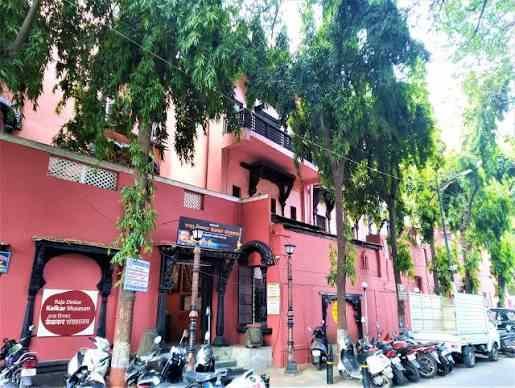
Time magazine once called it one of the weirdest museums in the world, and it’s hard to argue — the Sulabh International Museum of Toilets in Delhi houses artefacts from over 50 countries tracing the history of human sanitation all the way back to 2500 BC. Founded in 1992 by social activist Dr. Bindeshwar Pathak, the museum uses everything from ornately carved royal toilets to painted urinals to tell a genuinely unexpected story about hygiene, technology, and social customs across centuries. If it’s on your Delhi itinerary, here’s a complete guide to the Sulabh Museum of Toilets’ timings, ticket price, entry fee, and location.
Quick Facts: Sulabh International Museum of Toilets
| Detail | Information |
| Full Name | Sulabh International Museum of Toilets |
| Founded By | Dr. Bindeshwar Pathak |
| Inaugurated | 2 November 1992 |
| Location | Sulabh Bhawan, RZ-83, Dabri–Palam Road, Mahavir Enclave, New Delhi – 110045 |
| Timings (Monday–Saturday) | 10:00 AM to 6:00 PM |
| Timings (Sundays & Holidays) | 10:00 AM to 5:00 PM |
| Weekly Off | None — open all days |
| Entry Fee | Free |
| Guided Tours | Free, available on request |
| Parking | Free |
| Time Period Covered | 2500 BC to the 20th century |
| Countries Represented | 50+ |
| Sections | Ancient, Medieval, Modern |
| Recommended Visit Duration | 45 minutes to 1 hour |
A Museum With a Genuinely Serious Mission
Behind the quirky reputation lies a real purpose. Dr. Bindeshwar Pathak, founder of the Sulabh International Social Service Organisation, built this museum to document how sanitation practices evolved globally and to raise awareness around a topic that’s rarely discussed openly, despite affecting nearly everyone. Sulabh itself is a Hindi word closely associated with public toilets, and the organisation behind the museum has long been recognised for its sanitation and social reform work across India.
Rather than being a novelty stop, the museum is organised as a serious chronological record covering:
- Toilet-related technology and engineering across different eras
- Social customs and etiquette tied to sanitation practices
- Prevailing sanitary conditions of different historical periods
- Legislative and policy efforts related to sanitation over time
What You’ll See Inside: Ancient, Medieval, and Modern Sections
The museum’s collection is divided into three broad historical categories, making it easy to follow the evolution of toilet design and sanitation practices as you move through the galleries:
- Ancient Section – Covers sanitation history from around 2500–3000 BC, including early civilisational approaches to waste management
- Medieval Section – Documents how toilet design and social customs shifted through the medieval period across different cultures
- Modern Section – Traces developments through the 19th and 20th centuries, including the technological innovations that shaped contemporary sanitation systems
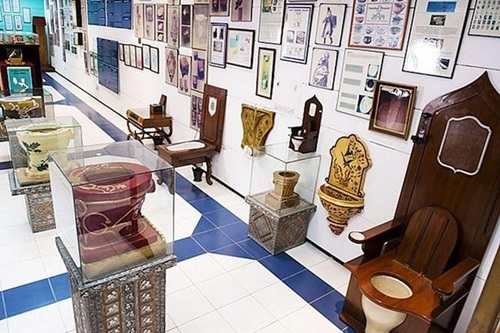
Exhibits include ornately carved toilets, decorated urinals, replicas of royal commodes, and detailed information panels explaining the historical and cultural context behind each period. Many visitors are especially struck by the range of design styles — from elaborate, almost furniture-like structures to austere modern fixtures.
Sulabh Museum Timings
The museum stays open every single day of the week, with slightly different hours on Sundays:
- Monday to Saturday: 10:00 AM to 6:00 PM
- Sundays and public holidays: 10:00 AM to 5:00 PM
- Weekly closure: None
Because there’s no fixed day off, this museum is easy to fit into a Delhi itinerary regardless of which day you’re travelling.
Entry Fee and Ticket Price
This is one of the rare Delhi attractions where cost genuinely isn’t a factor:
- Entry fee: Completely free
- Guided tours: Free, available on request from museum staff
- Parking: Free, available on-site
Given that both entry and guided tours come at no cost, it’s a low-commitment addition to a broader Delhi sightseeing day, even if you’re only mildly curious.
Location and How to Reach
The museum sits in Southwest Delhi’s Mahavir Enclave, a bit further from the central tourist corridor compared to attractions like Connaught Place or India Gate.
- Address: Sulabh Bhawan, RZ-83, Dabri–Palam Road, Mahavir Enclave, New Delhi 110045
- By road: Best reached by cab or auto-rickshaw, since it’s located outside the main central Delhi tourist belt
- By metro: Dabri Mor–Janakpuri South station on the Magenta Line is among the closer metro connections, followed by a short auto or cab ride
- Nearby areas: Palam and Dwarka are both reasonably close, making it feasible to combine with other Southwest Delhi errands or visits
Because of its location outside central Delhi, many visitors either plan a dedicated trip or combine it with other Southwest Delhi stops rather than treating it as a quick detour from South or Central Delhi sightseeing.
Tips for a Smoother Visit
- Take advantage of the free guided tour — staff explanations add real context that’s easy to miss reading exhibit labels alone
- Plan for 45 minutes to an hour, since the museum is compact compared to larger Delhi museums
- Combine your visit with other Southwest Delhi stops, given the distance from central tourist areas
- Visit on a weekday if you’d like a quieter, less crowded walkthrough
- Carry a camera, since many visitors find the unusual exhibits worth photographing
Frequently Asked Questions
Q1. Is this museum appropriate for children, or is it more of an adult curiosity stop?
It works reasonably well for children too, since the exhibits are presented informatively rather than crudely, focusing on history and design rather than anything inappropriate. Younger visitors often find the unusual subject matter genuinely engaging.
Q2. How far is the museum from central Delhi attractions like Connaught Place or India Gate?
It’s located in Southwest Delhi’s Mahavir Enclave, which is a fair distance from the central tourist corridor, so plan for a dedicated cab or metro trip rather than a quick walk-in visit. It’s best combined with other Southwest Delhi points of interest.
Q3. Do I need to book the guided tour in advance, or can I just ask on arrival?
Guided tours are generally available on request at the museum itself, without needing advance booking. If you’re visiting with a larger group, though, calling ahead can help ensure a guide is available when you arrive.
Q4. Is the museum only about Indian sanitation history, or does it cover other countries too?
It’s genuinely international in scope, with exhibits and artefacts gathered from more than 50 countries rather than being India-specific. This global angle is part of what makes the museum stand out compared to most other Delhi attractions.