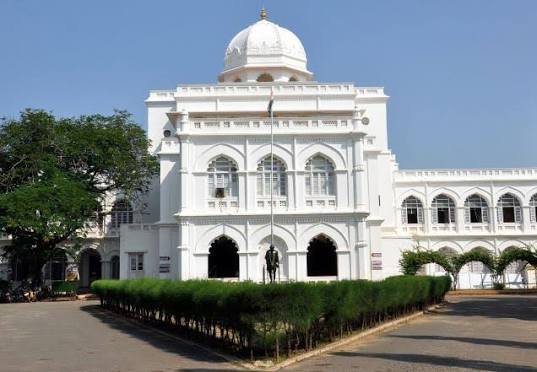
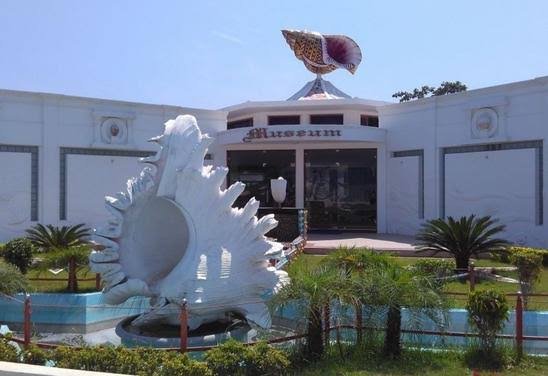
A series of ten photographs documenting a traditional tribal wedding ceremony greets visitors right at the entrance of the Tribal Museum in Araku, setting the tone for a two-storey building constructed entirely from mud and metal to reflect authentic tribal architecture. Established in February 1996 by the Andhra Pradesh Tourism Development Corporation, this museum in Kantabamsuguda was built to preserve and showcase the culture of the 19-plus tribal communities living across the Eastern Ghats surrounding Araku Valley. If a visit is on your Araku itinerary, here’s a complete guide to the Tribal Museum’s timings, ticket price, entry fee, and location.
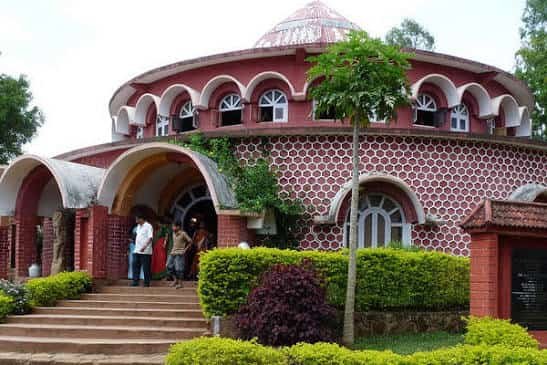
Quick Facts: Tribal Museum Araku Kantabamsuguda
| Detail | Information |
| Established | February 1996 |
| Managed By | Andhra Pradesh Tourism Development Corporation (APTDC) |
| Location | Kantabamsuguda, near Araku Bus Station, Araku Valley, Andhra Pradesh – 531149 |
| Building Material | Mud and metal, reflecting native tribal architecture |
| Number of Floors | 2 |
| Distance from Araku Bus Station | Approx. 200 metres |
| Opening Hours | 9:00/10:00 AM to 6:00/7:00 PM (varies by source) |
| Entry Fee (Adult) | ₹40–₹80 (varies significantly by source and date) |
| Entry Fee (Child) | ₹5–₹20 |
| Tribal Dance Show (Dhimsa/Mayur) | 5:00 PM to 7:00 PM |
| Adventure Activities (ziplining, boating) | Extra cost, separate from entry |
| Tribes Represented | 19+, including Araku, Kondh, and Gond communities |
| Recommended Visit Duration | 30 minutes to 2 hours |
A Museum Built to Document a Living Culture, Not a Historical One
What sets the Araku Tribal Museum apart from most heritage institutions is its stated purpose — this isn’t a historical site preserving artefacts from a bygone era, but a museum documenting the lifestyle and traditions of tribal communities who continue to live in and around Araku Valley today. Built by the Andhra Pradesh Tourism Development Corporation in 1996, the museum’s mission centres on creating awareness about tribal culture as it exists now, rather than framing these communities as relics of the past.
The building itself reinforces this authenticity — constructed using traditional indigenous materials like mud and metal, the two-storey structure incorporates native tribal architectural elements, colours, motifs, and frames throughout, giving visitors a genuine sense of tribal design before they even reach the exhibits.
What You’ll See Inside
The museum’s collection is arranged to walk visitors through tribal daily life, starting right from the entrance:
- Ten wedding ceremony photographs – Displayed at the entrance, documenting traditional tribal marriage customs
- A recreated tribal kitchen – Showcasing utensils made of iron and mud, illustrating everyday cooking practices
- Jewellery and ornaments – Traditional tribal adornments reflecting different community styles
- Hunting tools – Documenting how various tribes historically sourced food and defended their settlements
- Tribal Art and Crafts Centre – A dedicated section hosting workshops and exhibitions to encourage continued tribal artistic practice
- Handicrafts stall – Where visitors can purchase authentic tribal-made items directly
- Live dance performances – Traditional Dhimsa and Mayur dance shows, typically held between 5:00 PM and 7:00 PM
Given the emphasis on lived, contemporary tribal culture rather than static historical displays, many visitors describe the experience as genuinely educational rather than a typical walk-through-and-observe museum visit.
Tribal Museum Araku Timings
Reported hours show meaningful variation across sources, so it’s worth checking the current schedule before finalising your visit:
- Most commonly reported hours: 10:00 AM to 6:00 PM, daily
- Other reported hours: 9:00 AM to 7:00 PM, also cited across several sources
- Tribal dance shows: Specifically held between 5:00 PM and 7:00 PM
- Best time to visit: October to March, when Araku Valley’s climate is at its most pleasant
If catching the live Dhimsa or Mayur dance performance is a priority, timing your visit for late afternoon is essential, since these shows run at a fixed evening slot rather than throughout the day.
Entry Fee and Ticket Price
Pricing has shown considerable variation across different sources and time periods, reflecting what appears to be a gradual increase over the years:
- Older reported fees: ₹10 for adults, ₹5 for children
- Mid-range reported fees: ₹40 for adults, ₹20 for children
- Most recent reported fees (2026): ₹60–₹80 for adults, with a modest discount for children
- Adventure activities (ziplining, boating, rope cycling): Charged separately, at extra cost beyond standard entry
Given how significantly reported pricing has climbed over the years, it’s genuinely best to treat the ₹60–₹80 range as the most current estimate and confirm the exact rate at the ticket counter on arrival.
Location and How to Reach
The museum sits in Kantabamsuguda, right at the heart of Araku town.
- Address: Kantabamsuguda, near Araku Bus Station, Araku Valley, Andhra Pradesh 531149
- From Araku Bus Station: Approximately 200 metres, easily walkable
- From Visakhapatnam: Approximately 110 km
- Nearby landmark: Located directly opposite the Araku Coffee Museum
- By road: Well connected by local transport and taxis operating within Araku Valley
Given its walking-distance proximity to the bus station and the Coffee Museum right across the road, this is one of the easiest attractions in Araku to combine with other nearby sightseeing.
Tips for a Smoother Visit
- Time your visit for late afternoon if you want to catch the Dhimsa or Mayur dance performance
- Combine your trip with the Araku Coffee Museum, located directly opposite
- Budget separately for any adventure activities like ziplining or boating, since these cost extra
- Confirm the current entry fee at the counter, given how much reported pricing has varied over time
- Visit between October and March for the most pleasant weather in Araku Valley
Frequently Asked Questions
Q1. Is the tribal dance performance included in the standard entry fee, or is it charged separately?
The Dhimsa and Mayur dance shows appear to be included as part of the overall museum experience for visitors present between 5:00 PM and 7:00 PM, rather than requiring a separate ticket. It’s worth timing your visit specifically around this window if watching the performance is a priority.
Q2. Why do reported entry fees vary so dramatically, from ₹10 to ₹80?
Pricing has clearly increased over the years, with older listings from 1996 onward reflecting outdated rates that haven’t kept pace with more recent visitor reports. The most reliable approach is to expect something in the ₹60–₹80 range currently and confirm the exact figure at the counter.
Q3. Are the adventure activities like ziplining and boating worth the extra cost?
Visitor opinions are mixed, with some describing these add-on activities as underwhelming relative to their cost. If your primary interest is the tribal museum itself rather than adventure sports, it’s reasonable to skip these extras and focus on the core exhibits and dance performance.
Q4. Can I purchase authentic tribal handicrafts at the museum?
Yes, there’s a dedicated stall within the museum selling handicrafts made by local tribal artisans, giving visitors a chance to take home genuine tribal-made items. This ties directly into the museum’s broader Tribal Art and Crafts Centre, which also hosts periodic workshops and exhibitions.