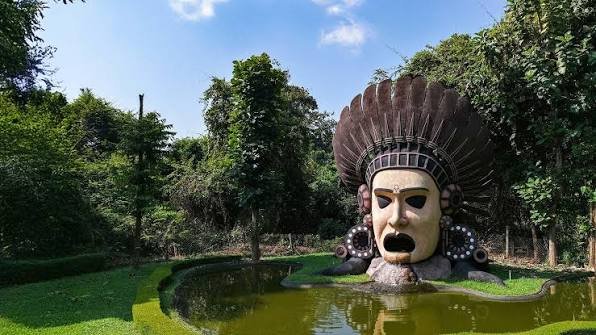
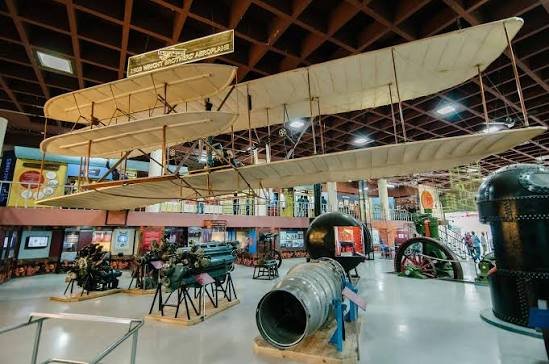
Gass Forest Museum Coimbatore holds the distinction of being India’s very first institution dedicated entirely to forestry, founded in 1902 by Horace Archibald Gass, then Conservator of Forests, and formally opened by Baron Ampthill, the Governor of Madras. Tucked inside the Forest College campus on Cowley Brown Road and surrounded by peacocks roaming freely across its lawns, the museum has weathered over a century of history, including a stint as a rescue station for Greek and Maltese evacuees during World War II, before being renovated and reopened to the public in 2015. If a visit is on your Coimbatore itinerary, here’s a complete guide to the Gass Forest Museum’s timings, ticket price, entry fee, and location.
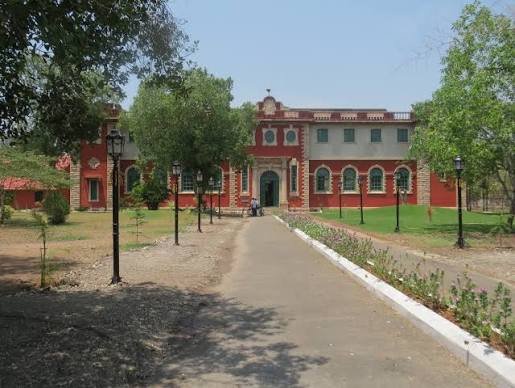
Quick Facts: Gass Forest Museum
| Detail | Information |
| Founded By | Horace Archibald Gass, Conservator of Forests |
| Established | 1902 |
| Officially Opened By | Baron Ampthill, Governor of Madras |
| Present Building Since | 1915 |
| Reopened After Renovation | 1 May 2015 |
| Managed By | Institute of Forest Genetics and Tree Breeding (IFGTB), Govt. of Tamil Nadu |
| Location | Cowley Brown Road, RS Puram, Forest College Campus, Coimbatore, Tamil Nadu – 641002 |
| Opening Hours | 9:00 AM–1:00 PM & 2:00 PM–5:00 PM |
| Weekly Off | Saturday, Sunday, and Central Government holidays |
| Entry Fee (Adult) | ₹40 |
| Entry Fee (Child) | ₹20 |
| Entry Fee (Foreigner) | ₹200 |
| Total Exhibits | 4,000–10,000+ (varies by listing) |
| Distance from Coimbatore Junction | Approx. 3.5–4 km |
| Recommended Visit Duration | 1–2 hours |
India’s First Forestry Museum, Built by One Forester’s Dedication
The Gass Forest Museum’s origins trace directly to the personal dedication of Horace Archibald Gass, a British Conservator of Forests who pushed to build a documented collection of India’s forest ecosystem back in 1902. What started in a single room of the conservator’s office building eventually outgrew its original space, moving to its current, more spacious location in 1915 — the very building that still houses the collection today, now well over a century old.
The museum’s history hasn’t been entirely uneventful either. During World War II, the building was repurposed as a rescue station for Greek and Maltese evacuees, a detail that adds an unexpected layer to its otherwise nature-focused legacy. After India’s independence, the museum came under the administration of the Government of Tamil Nadu and is presently managed by the Institute of Forest Genetics and Tree Breeding.
What You’ll See Inside
The museum’s collection is genuinely comprehensive for its niche, covering nearly every aspect of India’s forest ecosystem and forestry practices:
- Wildlife taxidermy – Preserved specimens of wild and domestic animals collected by British and early Indian forest officers
- Timber and wood samples – Specimens of nearly every important timber species found in India
- Botany and geology sections – Documenting plant and mineral specimens tied to forest ecosystems
- Entomology and mycology collections – Insect specimens and fungi samples
- Wood crafts and forest engineering models – Illustrating traditional and technical forestry practices
- Tribal jewellery and ornaments – Cultural artefacts connected to forest-dwelling communities
- Antique weapons – Historical arms connected to forest administration and hunting practices
The museum spans a single large ground-floor space with a second-floor perimeter display area, and its lawns, dotted with benches and roamed by peacocks, add a genuinely pleasant outdoor element to the visit beyond the indoor exhibits.
Gass Forest Museum Timings
The museum follows a distinctly different weekly schedule compared to most Indian museums, closing on weekends rather than a single weekday:
- Open: Monday to Friday, 9:00 AM to 1:00 PM and 2:00 PM to 5:00 PM
- Closed: Every Saturday, Sunday, and Central Government holidays
- Best time to visit: Weekday mornings, both for cooler temperatures and quieter galleries
Since this closure pattern is the reverse of what most tourists expect from Indian museums, it’s genuinely worth double-checking before planning a weekend Coimbatore trip around this stop specifically.
Entry Fee and Ticket Price
Ticket pricing remains modest, based on the most consistently reported figures across multiple sources:
- Indian adults: ₹40 per person
- Indian children: ₹20 per person
- Foreign visitors: ₹200 per person
- Photography: No additional charge reported by several visitors
- School group tours: Can be arranged by contacting the museum directly for scheduling
Given the significant difference between local and foreign visitor pricing, it’s worth noting this upfront if you’re travelling with international companions, since it follows a pattern common across many Indian government-run attractions.
Location and How to Reach
The museum sits within the Forest College campus in RS Puram, a well-known residential and commercial area of Coimbatore.
- Address: Cowley Brown Road, RS Puram, Forest College Campus, Coimbatore, Tamil Nadu 641002
- From Coimbatore Junction Railway Station: Approximately 3.5–4 km
- By road: Easily reachable by auto-rickshaw, taxi, or app-based cab from anywhere in Coimbatore
- Setting: Located about 500 metres inside the forest campus, offering a quiet, green escape from the city’s usual bustle
Given its short distance from the railway station and central location within RS Puram, the museum is easy to combine with other Coimbatore sightseeing without requiring extensive travel time.
Tips for a Smoother Visit
- Visit on a weekday morning for an unhurried, uncrowded experience
- Plan around the 1:00–2:00 PM lunch closure when scheduling your visit
- Carry cash, since ticket counters at government-run museums like this typically don’t process digital payments
- Visit during cooler months, since the indoor galleries can get warm in peak summer
- Contact the museum in advance if arranging a school or group tour
Frequently Asked Questions
Q. Why does this museum close on weekends instead of a single weekday like most Indian museums?
The Gass Forest Museum follows Central Government holiday schedules rather than a typical Monday or Friday closure, which means it stays shut on both Saturdays and Sundays. This is genuinely worth planning around if you’re visiting Coimbatore primarily over a weekend.
Q. Is the museum suitable for young children, or is it more geared toward serious nature enthusiasts?
It works well for educating children about India’s biodiversity, though some visitors note that documentation on certain exhibits is limited, which may require some independent explanation for younger visitors. Nature enthusiasts and students of forestry tend to get the most out of the visit.
Q. How much time should I realistically set aside for a visit?
Most visitors comfortably cover the museum in about 1–2 hours, given its relatively compact single-building layout. If you also want to relax on the surrounding lawns and watch the resident peacocks, allow a bit of extra time.
Q. Is photography allowed inside the museum, and does it cost extra?
Based on visitor reports, photography is generally allowed without any additional charge, unlike many other Indian museums that levy separate camera fees. It’s still worth confirming with staff at the entrance on the day of your visit.