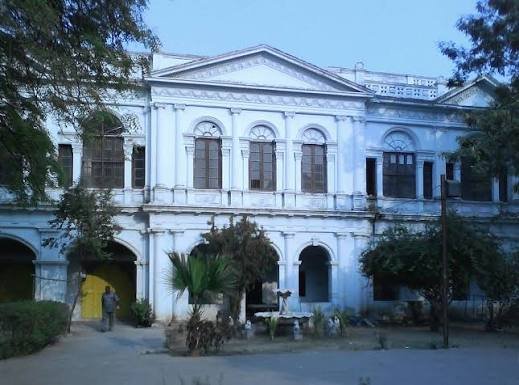
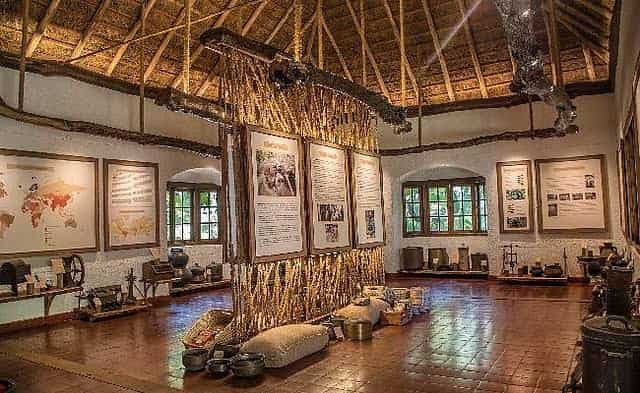
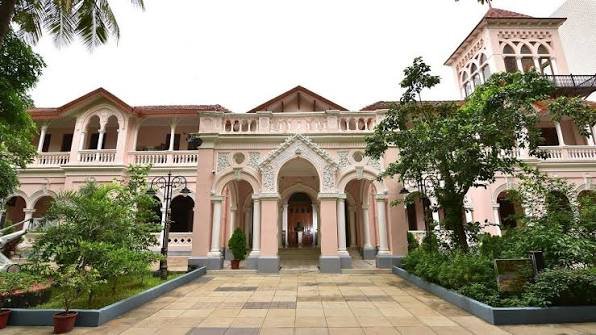
Prime Minister Narendra Modi inaugurated a ₹140.60 crore museum in Mumbai on 19 January 2019, calling it a tribute to an industry he believes reflects the very soul of Indian society — the National Museum of Indian Cinema, the country’s first museum entirely dedicated to the history of Indian film. Spread across two buildings at the Films Division Complex on Pedder Road, including the 19th-century heritage bungalow Gulshan Mahal, the museum traces Indian cinema’s journey from the Lumière Brothers’ earliest screenings through to Dadasaheb Phalke’s landmark film “Raja Harishchandra” and beyond. If a visit is on your Mumbai itinerary, here’s a complete guide to the National Museum of Indian Cinema’s timings, ticket price, entry fee, and location.
Quick Facts: National Museum of Indian Cinema
| Detail | Information |
| Full Name | National Museum of Indian Cinema (NMIC) |
| Inaugurated | 19 January 2019, by PM Narendra Modi |
| Construction Cost | ₹140.60 crore |
| Managed By | Films Division, Ministry of Information & Broadcasting |
| Location | Films Division Complex, Pedder Road, Cumballa Hill, Mumbai, Maharashtra – 400026 |
| Buildings | 2 — heritage Gulshan Mahal bungalow and Modern Glass Galleries |
| Number of Exhibition Halls | 5 |
| Opening Hours | 10:00/11:00 AM to 6:00 PM (Thursday extended to 10:00 PM per some listings) |
| Weekly Off | Monday, plus public holidays |
| Ticket Counter Closing | 5:00 PM |
| Entry Fee (Indian, below 13) | ₹40 |
| Entry Fee (Indian, above 13) | ₹165 |
| Entry Fee (Foreign, below 13) | ₹250 |
| Entry Fee (Foreign, above 13) | ₹600 |
| Recommended Visit Duration | 1.5–3.5 hours |
India’s First Museum Built Entirely Around Cinema
Before this museum opened, India — a country that produces more films annually than almost any other in the world — had no dedicated national institution documenting its own cinematic history. The National Museum of Indian Cinema changed that, opening under the Ministry of Information & Broadcasting with a clear mission: preserving the heritage of Indian cinema and offering visitors a comprehensive overview of how the industry evolved from its very earliest days.
The museum deliberately spans two contrasting buildings to tell this story. Gulshan Mahal, a heritage bungalow dating back to the 19th century, houses the earliest chapters of Indian cinema’s history, while the more contemporary Modern Glass Galleries carry the story forward into later eras and interactive formats.
What You’ll See Inside: Five Exhibition Halls
The museum’s collection is organised across five distinct halls, tracing cinema’s journey chronologically and thematically:
- Origins of Indian cinema – Featuring the Lumière Brothers’ first film screenings and the story of Dadasaheb Phalke’s “Raja Harishchandra,” India’s first feature film
- Silent era to talkies – Documenting the technological and creative shift as Indian cinema found its voice
- World War influence and studio era – Exploring how global events shaped Indian filmmaking through the mid-20th century
- Camera and equipment gallery – An entire section dedicated to the fundamental tools of filmmaking, from vintage cameras to modern equipment
- Regional cinema section – Extending beyond Hindi cinema to showcase India’s diverse regional film industries
- Gandhi wing – A dedicated section featuring films about Mahatma Gandhi
- Children’s Film Studio – An interactive space where young visitors can experience aspects of movie-making firsthand
- Handmade film posters and memorabilia – Rare artefacts, costumes, and iconic imagery spanning decades of Indian cinema
Given how much ground the museum covers, from silent films through to contemporary cinema, many visitors report spending anywhere from 90 minutes to over three hours here, particularly those with a genuine interest in Bollywood history and pre-2000s Indian films.
National Museum of Indian Cinema Timings
Reported hours show some variation across sources, so it’s worth confirming the exact current schedule before visiting:
- Open: Tuesday to Sunday, roughly 10:00/11:00 AM to 6:00 PM
- Thursday: Some listings note extended hours until 10:00 PM
- Ticket counter closes: 5:00 PM
- Closed: Every Monday, plus public holidays
- Best time to visit: Weekday mornings, for the least crowded experience
Given the ticket counter closes a full hour before the museum itself, arriving well before 5 PM is genuinely important to guarantee entry.
Entry Fee and Ticket Price
Based on the museum’s official current ticket pricing:
- Indian citizens below 13 years: ₹40
- Indian citizens above 13 years: ₹165
- Foreign citizens below 13 years: ₹250
- Foreign citizens above 13 years: ₹600
- Audio guide: Available separately, offering an immersive, multilingual storytelling experience through the exhibits
Given that pricing has changed over the years (older listings cite figures as low as ₹20 for Indian adults), it’s worth relying on the museum’s current official rates rather than older third-party listings when budgeting for your visit.
Location and How to Reach
The museum sits on Pedder Road in Cumballa Hill, a prominent South Mumbai neighbourhood.
- Address: Films Division Complex, Pedder Road, Cumballa Hill, Mumbai, Maharashtra 400026
- From Chhatrapati Shivaji Terminus: Approximately 6 km
- By road: Well served by taxis, auto-rickshaws, and app-based cabs from across South Mumbai
- Parking: Ample free parking available on-site, a notable convenience given the museum’s prime location
Given its central South Mumbai address, the museum is easy to combine with other nearby attractions and dining options in the same area.
Tips for a Smoother Visit
- Arrive before 5 PM to ensure the ticket counter is still open
- Visit on a weekday morning for the quietest, most relaxed experience
- Use only your cell phone for photography, since other camera types are generally prohibited inside
- Don’t count on catching a scheduled film screening, since equipment issues have been reported by some visitors despite listed showtimes
- Budget extra time if you or your travel companions have a strong interest in classic Bollywood and pre-2000s Indian cinema
Frequently Asked Questions
Q1. Is photography allowed inside the museum?
Cell phone photography without flash is permitted throughout most of the museum, but other types of cameras are generally prohibited. It’s worth checking specific gallery signage, since rules can vary slightly by section.
Q2. Is the museum equally interesting for regional cinema fans, or is it mostly focused on Hindi films?
The museum extends well beyond Hindi cinema, with a dedicated section documenting the history and evolution of India’s regional film industries. It’s a comprehensive look at Indian cinema as a whole rather than a Bollywood-only exhibit.
Q3. Is there a film screening included as part of the visit?
The museum has previously listed a scheduled film showing, often around 4 PM, though some visitors have reported technical issues preventing this from happening consistently. It’s best to check current screening availability at the entrance rather than planning your visit entirely around it.
Q4. Why is the entry fee for foreign visitors so much higher than for Indians?
The museum, like several other government-run Indian institutions, follows a tiered pricing structure with significantly higher rates for foreign nationals compared to Indian citizens. This is a common practice across many Indian heritage and cultural sites, not unique to this museum.