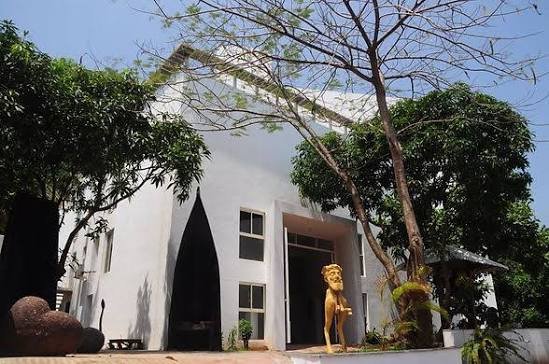
Goa Chitra Museum Benaulim was built entirely to keep alive the memory of a way of life that’s rapidly disappearing — the agrarian, self-sufficient rural existence of pre-modern Goa. Founded by artist and curator Victor Hugo Gomes in 2009-2010 as a personal tribute to his ancestors, this private ethnographic museum houses over 4,000 artefacts spanning farming tools, pottery, musical instruments, and colonial-era objects, earning recognition from the Archaeological Survey of India as the country’s “topmost contemporary museum.” If a visit is on your Goa itinerary, here’s a complete guide to Goa Chitra Museum’s timings, ticket price, entry fee, and location.
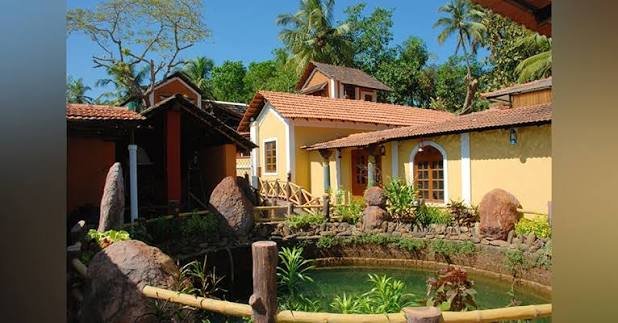
Quick Facts: Goa Chitra Museum
| Detail | Information |
| Founded By | Victor Hugo Gomes |
| Established | 2009–2010 |
| Recognition | Named “topmost contemporary museum” by the Archaeological Survey of India |
| Location | H.No. 498, Near Auxilium High School, Pulvaddo, Benaulim, Goa – 403716 |
| Opening Hours | 9:00 AM to 6:00 PM |
| Weekly Off | None — open all days |
| Last Admission | 5:00 PM |
| Entry Fee (All 3 sections) | ₹300 per person |
| Entry Fee (Single section) | ₹150 per person |
| Total Artefacts | 4,000+ |
| Number of Sections | 3 (Goa Chitra, Goa Chakra, Goa Cruti) |
| Guided Tour | Included in entry fee |
| Photography | Allowed (videography restricted) |
| Recommended Visit Duration | 45 minutes to 1 hour |
A Personal Tribute Turned Into a National Recognition
Victor Hugo Gomes built Goa Chitra with a very specific purpose in mind — to portray and honour the lives of ancestors who lived simple, eco-friendly, agrarian lives in a Goa quite different from the beach-and-resort image most visitors know today. Rather than compiling a generic historical collection, Gomes spent years personally gathering everyday objects that reflected genuine rural Goan life: farming tools, pottery, musical instruments, and religious artefacts tied directly to how ordinary Goans lived, worked, and worshipped.
That personal dedication paid off in a meaningful way — the Archaeological Survey of India has recognised Goa Chitra as the country’s topmost contemporary museum, a notable distinction for a privately funded institution built from one individual’s collecting effort rather than government backing.
What You’ll See: Three Museums in One
The Goa Chitra complex is genuinely three distinct museums under one roof, each focused on a different aspect of Goan heritage:
- Goa Chitra – The core ethnographic collection, showcasing traditional farming tools, pottery, furniture, and everyday agrarian objects
- Goa Chakra – A section dedicated to vintage vehicles and transportation-related artefacts
- Goa Cruti – Focused on traditional crafts and artisanal techniques
Beyond the three core sections, the museum grounds include:
- Woodwork, metalwork, and weapons connected to Goan and Portuguese-era life
- Religious artefacts reflecting Goa’s blended Hindu-Christian cultural heritage
- Colonial-era objects and memorabilia
- An organic farm on-site, reflecting the museum’s broader commitment to sustainable, traditional agricultural practices
The guided tour, included as part of your entry ticket, is genuinely worth taking rather than skipping — staff who accompany visitors through the exhibits provide context on objects that would otherwise be difficult to interpret on your own, given how specific many of the tools and artefacts are to a lifestyle few visitors have direct experience with.
Goa Chitra Museum Timings
The museum stays open every day of the week, making it flexible to fit into any Goa itinerary:
- Open: All seven days, 9:00 AM to 6:00 PM
- Last admission: 5:00 PM
- Best time to visit: October to March, when Goa’s weather is most comfortable for exploring both the indoor galleries and the outdoor organic farm
Since there’s no fixed weekly closure, this museum works well as either a morning or afternoon stop, though arriving before the 5 PM last-admission cutoff is essential to allow enough time for the guided tour.
Entry Fee and Ticket Price
Pricing is structured around how many of the three sections you want to explore:
- All three museums (Chitra, Chakra, Cruti): ₹300 per person
- Single museum section: ₹150 per person
- Guided tour: Included in the entry fee, available in Hindi and English
- Group and student discounts: Special rates available, though it’s worth confirming current rates directly with the museum
- Photography: Allowed at no extra charge; videography is restricted
Given that most visitors find the full experience genuinely worthwhile, opting for the ₹300 combined ticket tends to offer better value than seeing just one section for ₹150.
Location and How to Reach
The museum sits in Benaulim, a well-known coastal village in South Goa known for its beaches and quieter pace compared to North Goa’s busier areas.
- Address:No. 498, Near Auxilium High School, Pulvaddo, Benaulim, Goa 403716
- By road: Best reached by taxi, rented scooter, or private vehicle from anywhere in South Goa
- Nearby landmark: Located close to Auxilium High School, a useful reference point for navigation
- Parking: Available on-site
Given Benaulim’s popularity as a beach destination, most visitors combine a Goa Chitra Museum visit with beach time or other South Goa sightseeing on the same day.
Tips for a Smoother Visit
- Opt for the full ₹300 ticket covering all three sections if you have the time, rather than settling for just one
- Take advantage of the included guided tour rather than exploring independently, given how specialised many exhibits are
- Visit between October and March for the most pleasant weather, especially given the outdoor farm section
- Arrive well before the 5 PM last-admission cutoff to comfortably complete the full tour
- Bring a camera for photography, but leave video recording for elsewhere, since it’s restricted inside
Frequently Asked Questions
Q1. Is the ₹300 entry fee worth it compared to other Goa museums?
Many visitors initially find the fee on the higher side for a private museum, but most come away feeling it was genuinely worth the cost, given the depth of the 4,000-plus artefact collection and the inclusion of a guided tour. The ASI’s “topmost contemporary museum” recognition also reflects the quality of the curation.
Q2. Do I need to book the guided tour separately, or is it automatically included?
The guided tour is included as part of your entry ticket at no extra charge, with guides available in both Hindi and English. You don’t need to book or pay for it separately.
Q3. Can I visit just one of the three sections if I’m short on time?
Yes, single-section entry is available for ₹150 per person if you don’t have time for all three museums. That said, most visitors find the full ₹300 combined ticket offers considerably better value given the breadth of the collection.
Q4. Is the museum suitable for visitors who aren’t specifically interested in history or agriculture?
Yes, even casual visitors tend to find it a refreshing change from Goa’s typical beach-and-church circuit, since it offers a genuinely different, hands-on glimpse into how rural Goans actually lived. The guided tour format also makes the content accessible without requiring prior knowledge of Goan history.