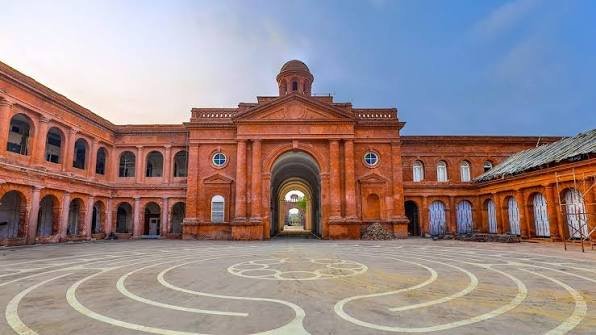
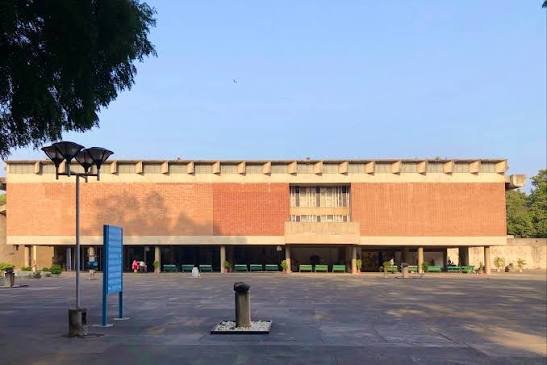
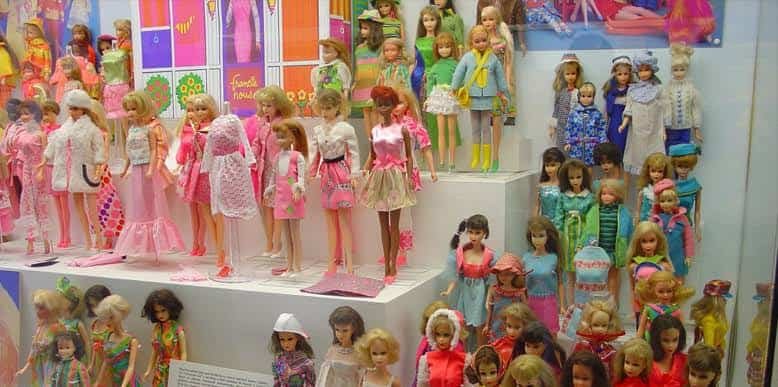
Long before Bihar Museum existed, a two-storey Indo-Saracenic building on Budh Marg was already guarding a 200-million-year-old fossilised tree trunk and a casket believed to hold the sacred ashes of Gautama Buddha. Established in 1917 and popularly nicknamed “Jadu Ghar” (House of Magic) by locals, the Patna Museum is one of Bihar’s oldest institutions and still holds artefacts spanning the Mauryan, Gupta, and colonial periods. Whether you’re combining it with a Bihar Museum visit or exploring it on its own, here’s everything you need on Patna Museum timings, ticket price, entry fee, and location.
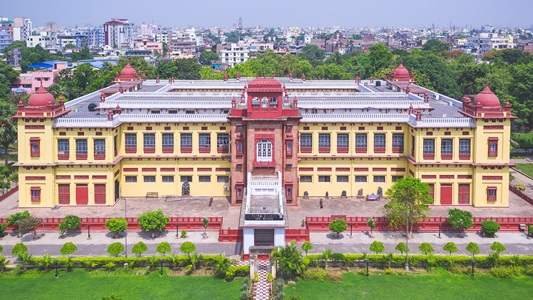
Quick Facts: Patna Museum
| Detail | Information |
| Also Known As | Jadu Ghar (House of Magic) |
| Founded | 3 April 1917 |
| Opened to Public | 1929 |
| Architectural Style | Indo-Saracenic (Mughal, Rajput, and Western influences) |
| Location | Budh Marg, Near Kotwali Thana, Patna, Bihar |
| Opening Hours | 10:00 AM to 4:30 PM |
| Weekly Off | Monday |
| Entry Fee (Indian Adult) | ₹15 |
| Entry Fee (Indian Child/Student) | ₹5 |
| Entry Fee (Foreign Visitor) | ₹250 |
| Notable Exhibits | Fossilised tree (~200 million years old), Buddha relic casket, WWI cannon, Rahul Sankrityayan manuscripts |
| Recommended Visit Duration | 1–1.5 hours |
| Distance from Bihar Museum | Approx. 2 km |
A Museum Older Than Independent India
Patna Museum was founded in 1917, during the British era, specifically to preserve historical artefacts uncovered after Bihar was separated from Bengal in 1912. Its main building, completed in 1928 and opened to visitors in 1929, remains a striking example of Indo-Saracenic architecture, blending Mughal and Rajput design elements with Western structural influences. For over a century, it functioned as Bihar’s primary repository of art, archaeology, and history.
That changed somewhat after 2015, when the newer Bihar Museum opened nearby and several headline artefacts — most notably the celebrated Didarganj Yakshi sculpture — were relocated there. Rather than diminishing Patna Museum’s relevance, this shift gave it a sharper identity: the collection here now leans more heavily toward the post-1764 period, colonial-era items, and pieces connected to modern Bihar and India.
What You’ll Find Inside
Despite losing some of its star exhibits to Bihar Museum, Patna Museum still holds genuinely unique pieces you won’t find anywhere else in the state:
- A fossilised tree trunk estimated to be around 200 million years old
- A preserved casket said to contain sacred relics of Gautam Buddha, discovered at Vaishali
- A World War I-era cannon displayed on the museum grounds
- Thousands of manuscripts donated by the scholar Rahul Sankrityayan
- Stone and bronze sculptures from the Mauryan and Gupta periods
- A terracotta collection drawn from archaeological sites across Bihar
- Paintings and personal items connected to Dr. Rajendra Prasad, independent India’s first President
- A geological gallery featuring rock specimens and mineral displays
- A brick statue of Lord Buddha alongside the Centenary Monument stupa on the premises
The ground floor is mostly archaeological and geological, while the upper sections house paintings, historical artefacts, and the manuscript collection — worth keeping in mind if you’re short on time and want to prioritise.
Patna Museum Timings
The museum keeps a compact daily schedule, with one weekly closure:
- Open: Tuesday to Sunday, 10:00 AM to 4:30 PM
- Closed: Every Monday
- Best time to visit: Weekday mornings, when footfall is lightest and you can move through the galleries without waiting
Since the museum closes relatively early compared to many other city attractions, it’s worth planning your visit as a morning or early-afternoon activity rather than leaving it for later in the day.
Entry Fee and Ticket Price
Patna Museum remains one of the most affordable heritage experiences in the city:
- Indian adults: ₹15 per person
- Indian children/students: ₹5 per person, with valid ID for student concessions
- Foreign visitors: ₹250 per person
- Payment: Tickets are sold at the physical counter; online booking generally isn’t available for general visitors, so plan to pay in person
Given the modest entry fee, it’s an easy add-on to any Patna itinerary, even if you’re only spending an hour or so inside.
Location and How to Reach
Patna Museum sits in the heart of the city, close to several other landmarks and administrative buildings.
- Address: Near Kotwali Thana, Budh Marg, Patna, Bihar
- By road: Well connected by autos, cabs, and city buses from all parts of Patna
- From Bihar Museum: Roughly 2 km away, making it easy to visit both museums in a single half-day trip
- From Patna Junction Railway Station: A short drive, typically well within city limits
- From Jayprakash Narayan International Airport: Around 15–20 minutes by road, depending on traffic
Its central location and proximity to Bihar Museum make it a natural pairing for anyone building a heritage-focused day in Patna.
Tips for a Better Visit
- Combine your trip with Bihar Museum, since both are just 2 km apart and together take about half a day
- Visit on a weekday to avoid the relatively heavier weekend crowds
- Carry small denomination cash, as the ticket counter operates on a straightforward cash basis
- Set aside time for the manuscript and painting sections upstairs, which are often overlooked in favour of the ground-floor archaeology galleries
- Check locally for any temporary closures, since older heritage buildings occasionally undergo maintenance work
Frequently Asked Questions
Q1. Is the Didarganj Yakshi still on display at Patna Museum?
No, the Didarganj Yakshi was moved to Bihar Museum after it opened in 2015. If you specifically want to see this sculpture, you’ll need to visit Bihar Museum instead.
Q2. How much time should I set aside if I’m visiting both Patna Museum and Bihar Museum in one day?
Patna Museum typically takes 1–1.5 hours, while Bihar Museum needs closer to 2–3 hours. Together, they comfortably fit into a single morning-to-afternoon outing.
Q3. Can I book Patna Museum tickets online in advance?
No, online booking isn’t currently available for general visitors. Tickets are purchased directly at the counter on the day of your visit.
Q4. Is photography allowed inside the museum?
Photography rules can vary by gallery, especially around fragile manuscripts and older sculptures, so it’s best to check with staff at the entrance before taking photos inside specific sections.