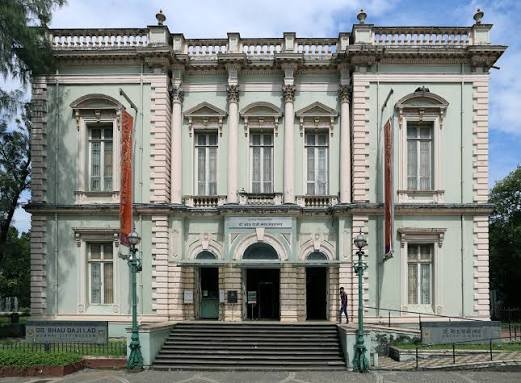
A grieving father spent nearly 40 years travelling across India collecting everyday objects — hookah pipes, carved doors, nutcrackers, musical instruments — and turned that collection into a museum dedicated to the memory of his seven-year-old son who died young. That museum, built by Dr. Dinkar G. Kelkar and named after his son Raja, now houses over 20,000 artefacts inside a three-storey building on Pune’s Bajirao Road. If a visit is on your Pune itinerary, here’s a complete guide to the Raja Dinkar Kelkar Museum’s timings, ticket price, entry fee, and location.
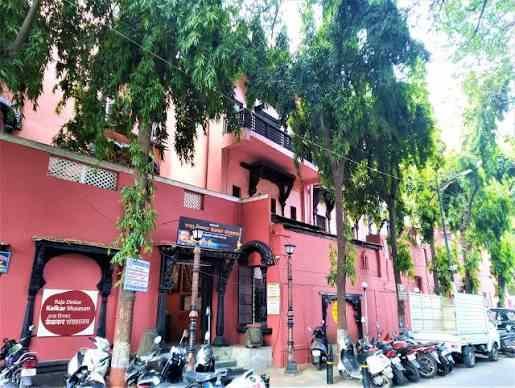
Quick Facts: Raja Dinkar Kelkar Museum
| Detail | Information |
| Founded By | Dr. Dinkar G. Kelkar |
| Established | 1962 |
| Managed By | Department of Archaeology, Government of Maharashtra (since 1975) |
| Location | 1377/78, Kamal Kunj, Bajirao Road, Natu Baag, Shukrawar Peth, Pune – 411002 |
| Opening Hours | 10:00 AM to 5:30 PM, all year round |
| Weekly Off | None — open all days |
| Annual Holidays | 26th January, 15th August, Anant Chaturdashi |
| Entry Fee (Indian Adult, above 12 yrs) | ₹120 |
| Entry Fee (Indian Child, below 12 yrs) | ₹50 |
| Entry Fee (Foreign Adult) | ₹400 |
| Entry Fee (Foreign Child) | ₹100 |
| Free Entry | Blind and physically challenged visitors |
| Mobile Photography Charge | ₹100 |
| Still Photography Charge | ₹200 |
| Videography Charge | ₹500 |
| Number of Artefacts | 20,000+ (approx. 2,500 on public display) |
| Distance from Pune Railway Station | Approx. 4 km |
| Distance from Shaniwar Wada | Approx. 1.5 km |
One Man’s Personal Tribute That Became a National Museum
The story behind this museum is what genuinely sets it apart from most government institutions. Dr. Kelkar began collecting artefacts in the 1920s, initially just sharing them with friends and family, long before there was any formal museum. Over four decades of travel across India, his personal collection of everyday objects grew into something far larger than he likely imagined. In 1975, he handed the entire collection over to the Government of Maharashtra, and it’s been managed by the state’s Department of Archaeology ever since.
What makes the collection distinct is its focus — rather than only grand royal artefacts, much of it captures ordinary life across 18th and 19th century India:
- Household utensils, kitchen vessels, and everyday cooking tools
- Hookah pipes, nutcrackers, and writing instruments
- Carved wooden doors, windows, and architectural elements
- Musical instruments spanning various regional traditions
- Mughal-era lamps and lighting fixtures
- Armour-suits, weapons, and war-era objects
- Terracotta, copper, and brass pottery
- Sculptures dating back to the 14th century
The Mastani Mahal and Other Highlights
Among the museum’s many sections, one room consistently draws the most visitor attention — a recreation of the Mastani Mahal, modelled on the original 1734 palace built for Bajirao Peshwa’s beloved queen, Mastani. With ornate décor, grand chandeliers, and detailed period paintings, it offers a striking sense of Maratha-era royal aesthetics that stands apart from the museum’s more everyday-object galleries.
The three-storey building itself is organised roughly by theme across its floors, and the premises also house a Research and Storage facility along with the Institute of Musicology and Fine Arts — reflecting the museum’s ongoing role beyond just public display.
Raja Dinkar Kelkar Museum Timings
The museum runs one of the most visitor-friendly schedules among Pune’s heritage sites, staying open every single day of the year barring a handful of holidays.
- Open: All days, 10:00 AM to 5:30 PM
- Closed only on: 26th January (Republic Day), 15th August (Independence Day), and Anant Chaturdashi
- Best time to arrive: By 10:30 AM, to comfortably cover all three floors before closing
Because there’s no fixed weekly closure, this museum is easy to slot into any day of a Pune trip without worrying about closure days the way you might with most other city museums.
Entry Fee and Ticket Price Breakdown
Current official pricing, as listed by the museum itself, is structured by age and nationality:
- Indian adults (above 12 years): ₹120
- Indian children (below 12 years): ₹50
- Foreign adults: ₹400
- Foreign children: ₹100
- Blind and physically challenged visitors: Free entry
- Mobile photography: ₹100 per device
- Still camera photography: ₹200 per camera
- Videography: ₹500
If you’re planning to photograph extensively during your visit, it’s worth deciding in advance whether you need a mobile, camera, or video permit, since each is charged separately at the counter.
Location and How to Reach
The museum sits in the heart of old Pune, close to several other heritage landmarks that make for an easy combined visit.
- Address: 1377/78, Kamal Kunj, Bajirao Road, Natu Baag, Shukrawar Peth, Pune, Maharashtra 411002
- From Pune Railway Station: Approximately 4 km
- From Pune Airport: Approximately 12 km
- From Swargate Bus Station: Approximately 2 km
- Nearby bus stops: Shanipar and Abhinav Kala Vidyalaya
- Nearby landmarks: Shaniwar Wada, Saras Baug, Parvati Hill, Lal Mahal, Vishrambaug Wada, and Pataleshwar Caves are all within easy reach
Given how close it sits to Shaniwar Wada and other old-city landmarks, this museum fits naturally into a heritage-focused walking circuit through Pune’s older neighbourhoods.
Tips for a Smoother Visit
- Arrive by 10:30 AM to give yourself enough time across all three floors before closing
- Decide on your photography needs beforehand, since mobile, camera, and video charges are separate
- Combine your visit with Shaniwar Wada, given the short 1.5 km distance between the two
- Check for the three annual holiday closures if you’re planning around a specific date
- Set aside at least 1.5–2 hours to properly explore the Mastani Mahal and the broader collection
Frequently Asked Questions
Q1. Why is only a fraction of the 20,000-piece collection on public display?
Due to space constraints in the three-storey building, only around 2,500 artefacts are displayed at any given time, with the rest held in the museum’s research and storage facility. Exhibits are occasionally rotated, so repeat visits can reveal different pieces.
Q2. Is photography allowed throughout the museum, or are some sections restricted?
Photography is generally allowed with the appropriate paid permit, but certain sensitive or fragile exhibits may have restrictions. It’s best to confirm specific gallery rules with staff after purchasing your photography ticket.
Q3. Can I combine this museum with other Pune heritage sites in a single day?
Yes, its location near Shaniwar Wada, Lal Mahal, and Saras Baug makes it easy to build a full heritage day around old Pune. Most visitors comfortably cover two to three of these sites alongside the museum in one day.
Q4. Is the museum suitable for children, given how object-heavy the collection is?
Yes, especially since many exhibits are everyday objects like toys, puppets, and musical instruments that tend to interest children more than typical royal artefacts. The reduced child ticket price also makes it an accessible family outing.